Experts Caution Against Leaving Extension Cords Permanently Connected
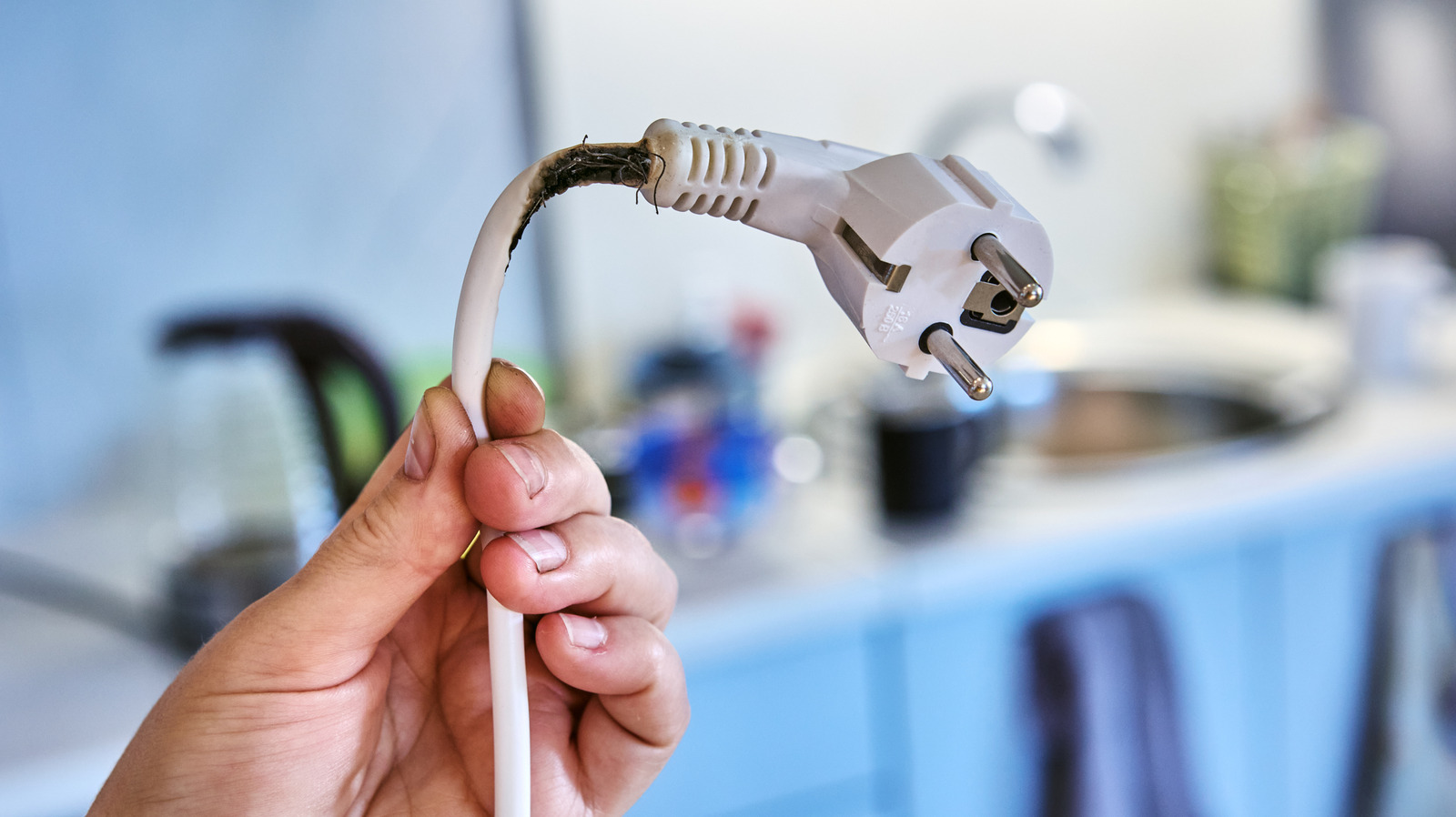
Consumer safety organizations are urging homeowners to recognize that keeping an extension cord plugged in continuously creates a concealed danger, not a lasting power fix.
Most extension cords are engineered for brief applications—like powering tools on a worksite or providing temporary electricity at an event. Their wiring, insulation, and plug design are tuned for occasional use rather than the steady load a permanent outlet handles.
If an extension cord remains in place for long stretches, heat may accumulate within the cable, particularly when it is coiled or covered. This overheating can wear down the insulation, reveal conductors and, in extreme cases, set nearby items aflame. Moreover, the cord’s inherent resistance can produce a voltage drop that strains attached devices, shortening their useful life.
National electrical codes and manufacturer instructions uniformly warn against using cords as permanent installations. The regulations stipulate that fixed wiring be enclosed within walls or conduit and that any exposed wiring adhere to defined rating criteria. Extension cords without the proper gauge or grounding become especially risky when employed as a makeshift permanent line.
Safety professionals advise swapping a continuously used cord for a dedicated outlet or a hard‑wired connection sized to the circuit’s amperage. Should a cord need to stay in place for a short time, it must be of the appropriate gauge for the load, laid out fully uncoiled, and checked routinely for wear, fraying, or discoloration.
Numerous users leave cords plugged in for convenience, pointing to a lack of wall outlets or a wish to avoid drilling holes. Though the immediate ease is clear, the long‑term danger to property and personal safety surpasses any short‑term advantage.
Fire departments note that while extension‑cord incidents represent only a small portion of residential fires, they frequently cause extensive damage because the cords are concealed behind furniture or beneath carpets, slowing discovery.
Industry associations are gearing up for outreach initiatives aimed at teaching the public proper cord usage and encouraging more outlets in high‑traffic zones. Until these efforts become common, the safest approach is still to unplug cords whenever they are not in active use.


Comments (0)
Be the first to comment.
Join the discussion