Ericsson’s New Sensing Tech Lets Mobile Networks Spot Drones, Trials Underway
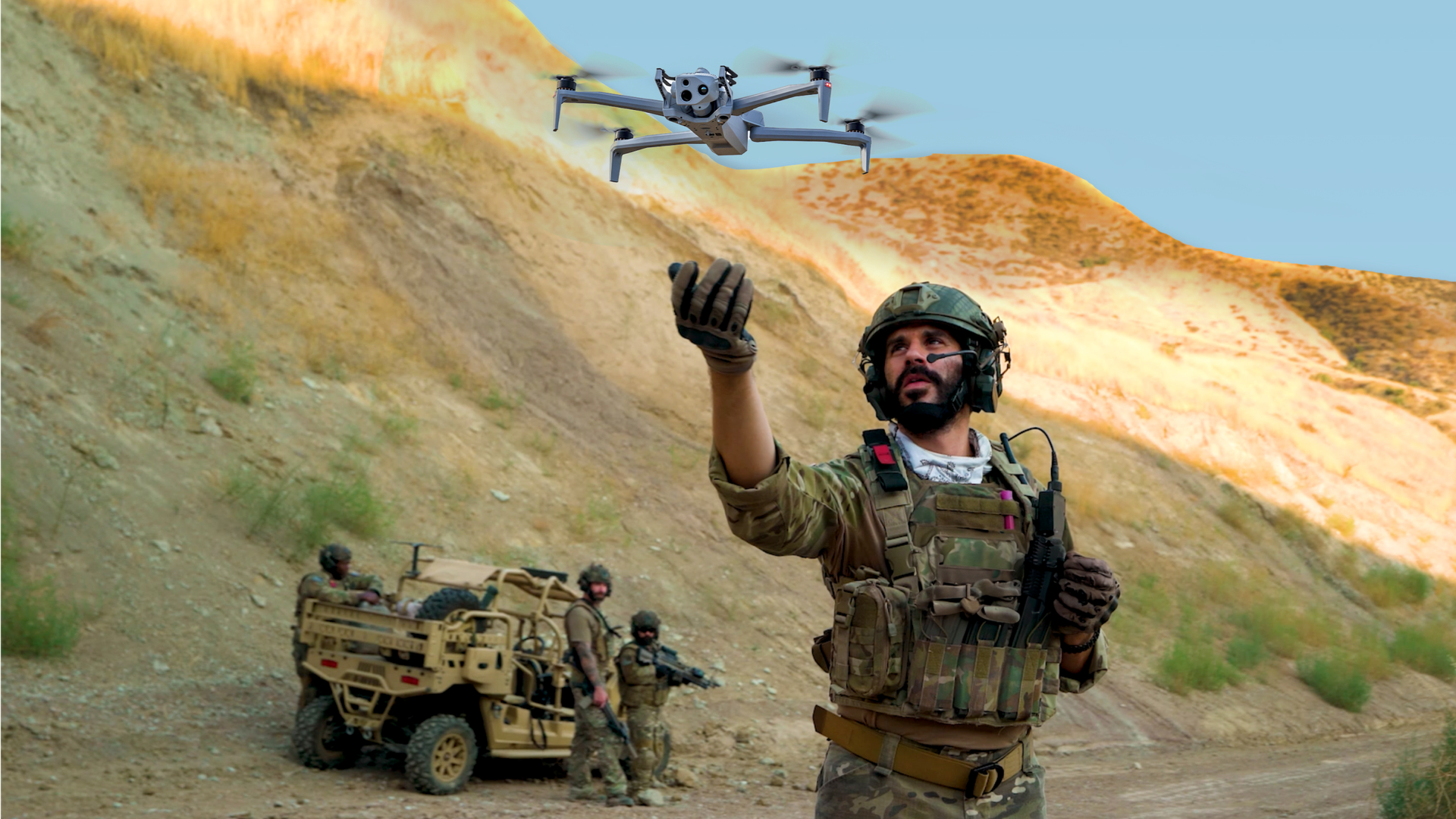
Ericsson announced its newest network‑sensing tech can spot and follow low‑altitude drones using existing cellular infrastructure, a capability that could change how authorities track unauthorized aircraft.
The solution uses the widespread presence of cell towers, converting them into passive radar stations that capture the radio emissions of UAVs. By examining minor changes in signal strength and timing, the system can locate a drone without needing dedicated radar gear.
Initial field trials have already been conducted in the United States and Finland. AT&T teamed up with Ericsson to test the system at several urban locations, while Finnish operator Erillisverkot ran comparable tests in more rural environments. Both pilots succeeded in detecting small, low‑flying UAVs that normally slip past traditional air‑traffic monitoring.
Analysts point out that this method could give regulators a low‑cost complement to current air‑space monitoring tools. Since it rides on already‑installed cellular hardware, the added cost is far lower than deploying dedicated radar or acoustic sensors.
Privacy groups, however, warn that extending mobile‑network surveillance raises concerns about data use and oversight. Ericsson maintains that raw signal data is processed on‑site and only anonymised detection alerts are sent to authorized parties, though the precise governance model is still being debated.
For those who operate drones, the advance suggests a shift in the threat landscape. Both hobbyists and commercial pilots may need to recognize that flying beneath conventional aviation radar no longer ensures anonymity, especially in densely covered city zones.
Regulators are monitoring the development closely. The Federal Aviation Administration and the European Union Aviation Safety Agency have shown interest in how network‑based detection might fit into existing unmanned traffic management frameworks, but formal regulations have yet to be issued.
Looking forward, Ericsson aims to fine‑tune the algorithm to tell drones apart from other low‑altitude objects such as birds or weather balloons, reducing false positives. If the approach scales as anticipated, mobile carriers could become a primary line of defence against rogue UAVs, reshaping the balance between drone innovation and public safety.



Comments (0)
Be the first to comment.
Join the discussion