Employers Consider Eye‑Scanning Tech for Virtual Meetings Amid Privacy Concerns
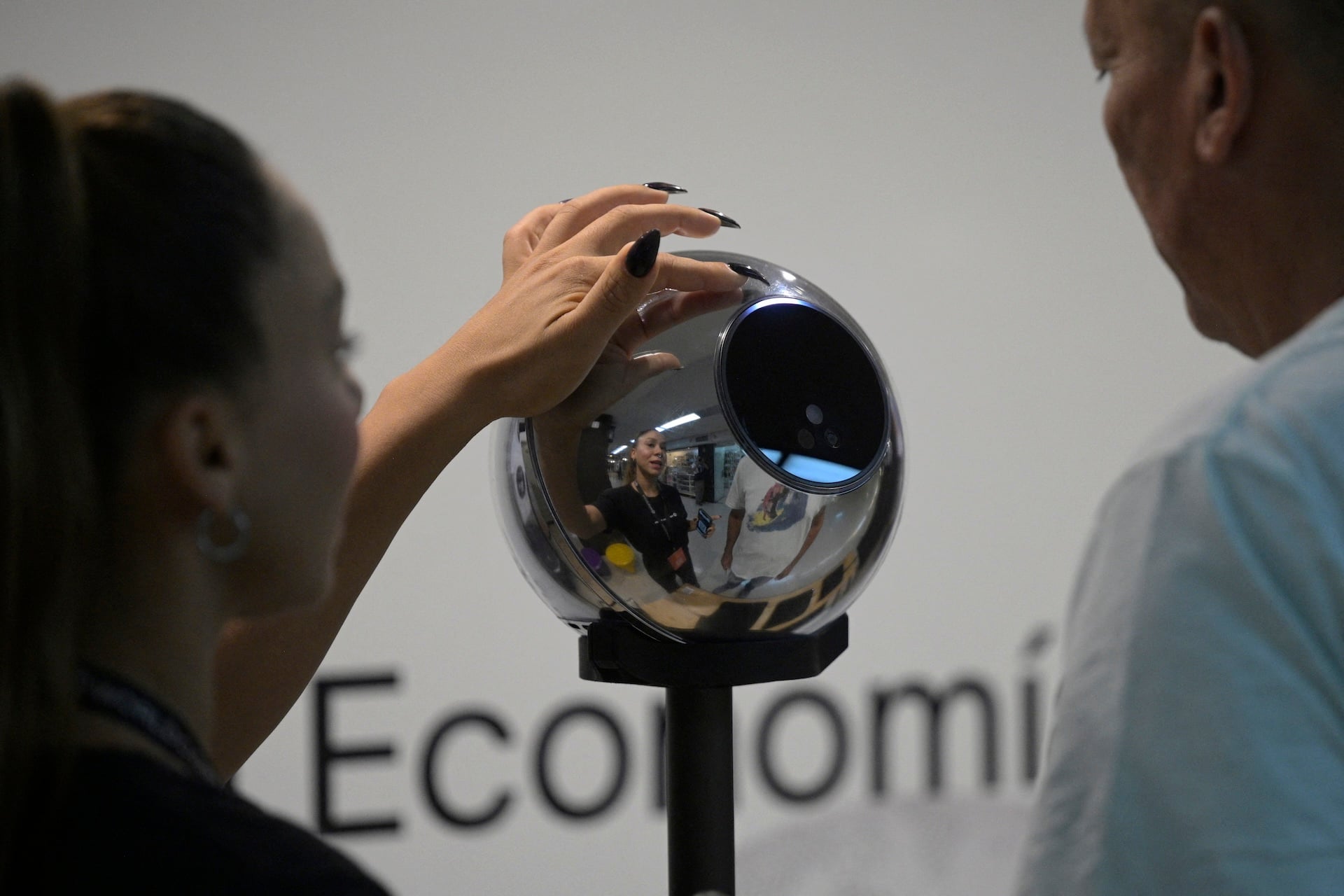
According to reports, technology companies and corporate human‑resources divisions are looking into deploying eye‑scanning systems to confirm that employees are present and attentive during video calls, a development that may alter how remote work functions.
The idea—long debated within industry forums—relies on cameras to record biometric indicators like pupil dilation, line of sight, and retinal signatures. Supporters claim these metrics can verify that the individual on the screen is the legitimate staff member and reveal how focused participants are during discussions.
Proponents point to advantages such as curbing “Zoom fatigue” deception—where employees seem engaged while actually multitasking—and bolstering security for sensitive conversations. Ideally, the captured data would be handled on‑device, reducing the necessity to send delicate biometric details to external servers.
Nevertheless, privacy groups caution that compulsory eye scans introduce major issues regarding surveillance, data protection, and consent. Because biometric information ranks among the most sensitive personal data, its abuse could result in discrimination or illicit profiling. Existing regulations—including Europe’s GDPR and a patchwork of U.S. state statutes—already enforce stringent limits on biometric harvesting, meaning broad implementation would almost certainly attract regulatory examination.
Analysts in the sector acknowledge that, although the technology is viable, rolling it out encounters practical obstacles. Effective operation demands high‑resolution cameras and robust algorithms that can cope with the varied equipment found in home workspaces. In addition, resistance from staff could harm morale and retention, particularly if the scans are viewed as invasive.
Firms that have trialed comparable solutions, like attention‑monitoring software, have produced mixed feedback. Certain managers report heightened focus during meetings, whereas others note that workers devise methods to fool the system or remain disengaged even under observation.
Looking forward, specialists predict that initial deployments will likely be optional, with companies providing incentives for voluntary use instead of enforcing mandatory scans. Continuous conversation among employers, tech vendors, and labor representatives will be essential to reconcile security objectives with personal privacy protections.
As remote work solidifies its role in the post‑pandemic economy, the discussion around biometric verification raises a wider issue: to what extent should employers monitor digital workplaces, and which safeguards are required to preserve employee autonomy?



Comments (0)
Be the first to comment.
Join the discussion