El Niño Projection Predicts Unusual Six‑Month Duration Through 2027
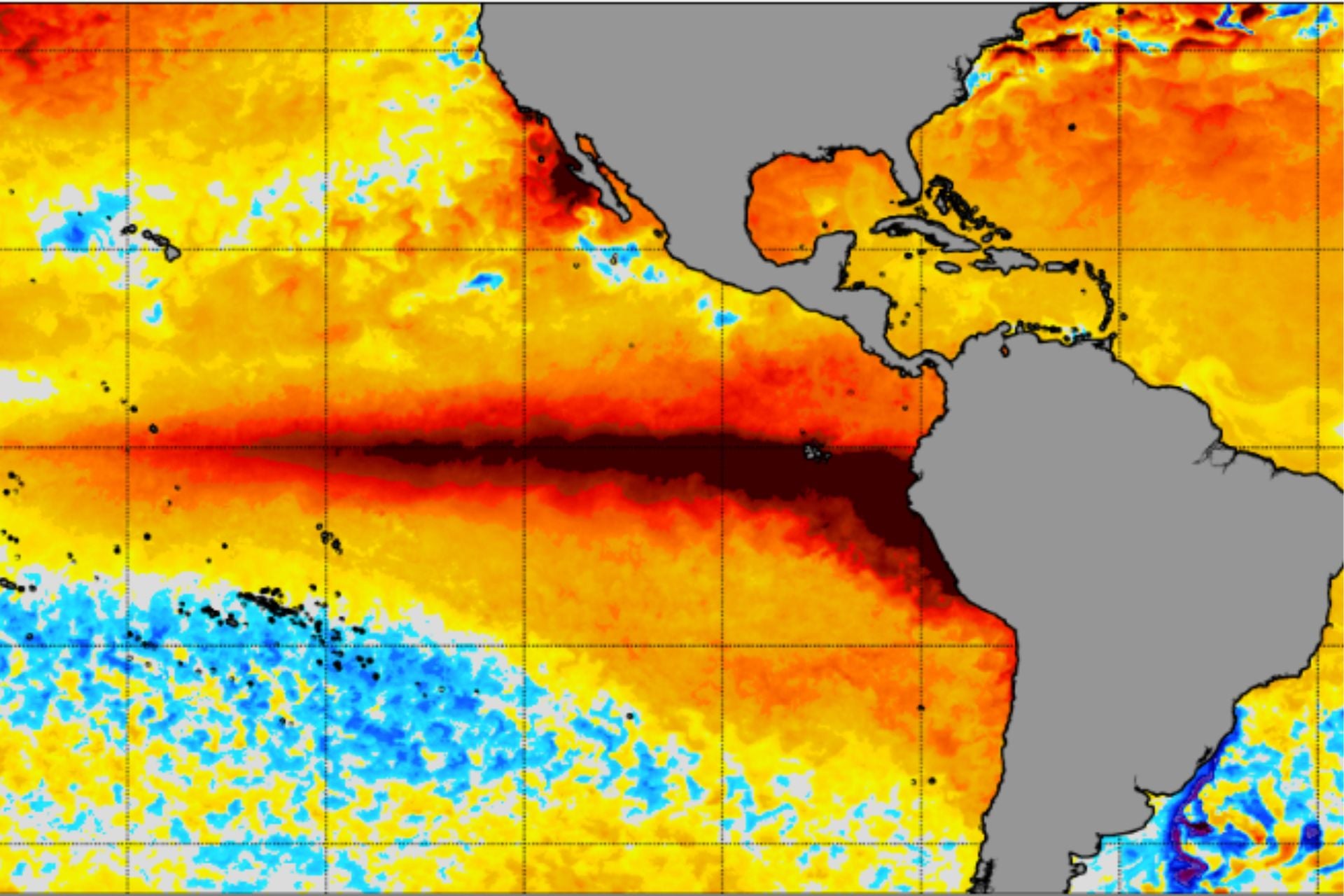
Researchers studying climate caution that the ongoing El Niño could break normal seasonal behavior, lasting six straight months and stretching far into 2027, as indicated by the newest collection of global climate models.
Where typical peaks last only two to three months, this anticipated endurance is driven by an unusual rise in central Pacific sea‑surface temperatures together with atmospheric feedbacks that amplify the disturbance. Ensembles of models from multiple research institutions align on a picture in which the warm water mass stays above the historic benchmark for a prolonged interval.
A lengthened El Niño would have far‑reaching impacts. Areas that normally endure drought in an El Niño—namely the southwestern United States, sections of Australia, and southern Africa—might encounter heightened aridity, whereas locales that usually receive increased precipitation, such as South America’s western coastline, could suffer amplified flooding and landslides.
Past observations reveal that prolonged El Niño events depress crop outputs, stress water‑management infrastructure, and compel disaster‑relief agencies to spread resources over an extended period. This new outlook heightens worries about food security in at‑risk countries and may worsen already unstable commodity markets.
Specialists point out that although the simulations suggest an increased chance of a six‑month episode, considerable uncertainties persist, particularly about future changes in ocean currents and the speed of atmospheric adjustments. Continuous monitoring via satellite systems and buoy arrays will be essential to sharpen forecasts as the season unfolds.
Decision‑makers and emergency coordinators are advised to factor the longer timeframe into their readiness plans, ranging from revising irrigation timetables to strengthening flood protection. As the climate continues to evolve, this episode highlights the necessity for flexible, science‑based approaches to extreme weather that could become commonplace.



Comments (0)
Be the first to comment.
Join the discussion