Early Queensland Storm Surge Revives Calls for Enhanced Disaster Preparedness
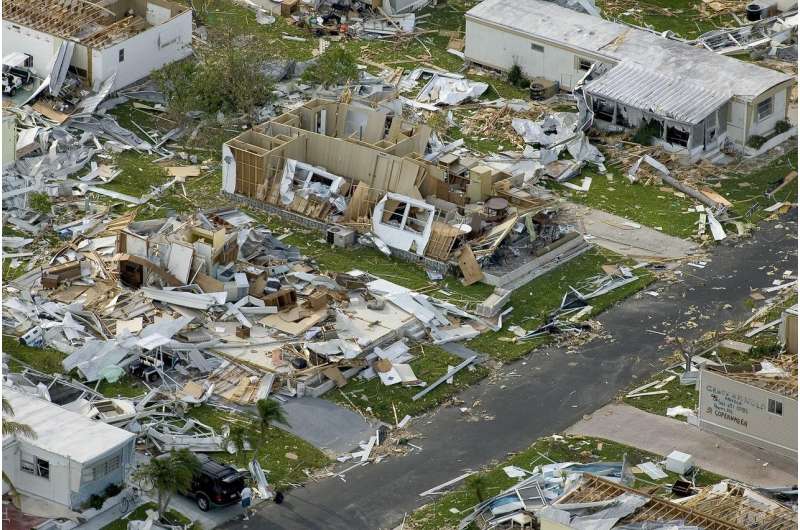
The storm season in Queensland has begun ahead of schedule, as a string of powerful thunderstorms and flash floods are already challenging the durability of towns and regional communities throughout the state. This unanticipated severity has sparked renewed public and governmental examination of the area's disaster‑preparedness systems, which have faced strain since the catastrophic incidents of earlier years.
Across locations ranging from Brisbane’s coastal suburbs to inland areas like Toowoomba, inhabitants have noted swift water level increases, wind‑related damage to infrastructure, and short‑term power cuts. Emergency responders are being taxed, managing evacuations, distributing sandbags, and issuing live weather bulletins. Though the rapid reaction has earned commendation, officials concede that the premature arrival of harsh weather exposes persistent shortcomings in planning and public awareness.
Traditionally, Queensland’s cyclone and flood periods have reached their height between November and March, giving officials the chance to plan exercises, amass supplies, and conduct public education drives ahead of time. This year, the season seems to have moved earlier, surprising several local governments and urging a review of the scheduling and adaptability of readiness actions. Specialists argue that climate variability could be reshaping established weather cycles, calling for more flexible approaches.
State emergency‑management bodies have reacted by advising citizens to check their home emergency kits, refresh contact details, and learn the local evacuation routes. At the same time, they are speeding up the deployment of advanced flood‑mapping applications that use real‑time satellite imagery, intended to deliver sharper alerts for at‑risk districts. Money for infrastructure improvements—including upgraded drainage networks and stronger bridges—is also being fast‑tracked in a number of high‑risk zones.
Local community groups have stepped up, setting up neighbourhood watch schemes and exchanging resources via social‑media channels. In several towns, volunteers have erected temporary shelters and worked with charities to hand out food and clean water. Such grassroots actions highlight an increasing awareness that successful disaster response relies not solely on governmental measures but also on local initiative and mutual assistance.
Looking forward, lawmakers are slated to hold a series of workshops later this month to assess insights gained from the early storms and to fine‑tune the state’s long‑term resilience strategy. The talks are anticipated to centre on weaving climate forecasts into emergency procedures, improving inter‑agency coordination, and guaranteeing ongoing funding for mitigation initiatives. As Queensland faces an uncertain climatic future, the trade‑off between preparedness and adaptability will stay at the heart of public debate.


Comments (0)
Be the first to comment.
Join the discussion