Donald Trump Said to Consider AI Regulations Following Security Breaches
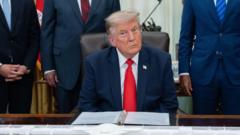
Reports indicate that former President Donald Trump is contemplating a major change in his perspective on artificial intelligence oversight, potentially backing restrictions on the fast-moving sector. This shift in thinking apparently follows security issues at OpenAI, representing a clear break from his administration's earlier hands-off approach to the tech industry.
While in the White House, Trump's policy was defined by cutting red tape and promoting technological advancement with very little federal interference. The dominant strategy at the time was to let private companies and market dynamics drive the evolution of advanced technologies like AI, avoiding preemptive state regulation.
Nevertheless, recent security lapses at OpenAI, a leading player in the sector, seem to have spurred a reconsideration of that hands-off policy. Although precise information about the breaches remains undisclosed, the events have exposed the inherent weaknesses and dangers of sophisticated AI models, emphasizing the demand for tighter safeguards and perhaps more comprehensive rules.
That a politically powerful former president is looking into AI restrictions highlights the escalating concern over how the technology affects society. The argument for and against AI oversight is complex, covering issues like user privacy, biased algorithms, defense risks, and employment losses. Proponents of government rules emphasize moral challenges and abuse prevention, whereas critics warn that too much red tape could choke off innovation and hurt America's competitive edge internationally.
If these regulations are actually implemented, they might take the shape of transparency rules for AI creators, strict cybersecurity standards, or restrictions on specific uses of the technology. Crafting successful policies for AI is incredibly difficult because of its swift evolution and technical complexity, necessitating a careful equilibrium between monitoring and encouraging ongoing development.
A push for greater AI oversight, especially coming from an influential figure like Trump, might indicate that a bipartisan agreement is developing around the need to manage this potent technology. It points to a rising consensus among different political factions that the hazards of unchecked AI progress might now eclipse the advantages of a completely free-market strategy.
This rumored shift in stance marks a significant milestone in the country's continuing dialogue regarding artificial intelligence. It demonstrates how concrete events, like the security lapses at OpenAI, can trigger a rethink of established political doctrines and ultimately reshape the regulatory future of a defining technology of our era.



Comments (0)
Be the first to comment.
Join the discussion