DJI Introduces Matrice 5T Drone Featuring Enhanced Night Vision and High‑Resolution Thermal Sensors for Rescue Operations
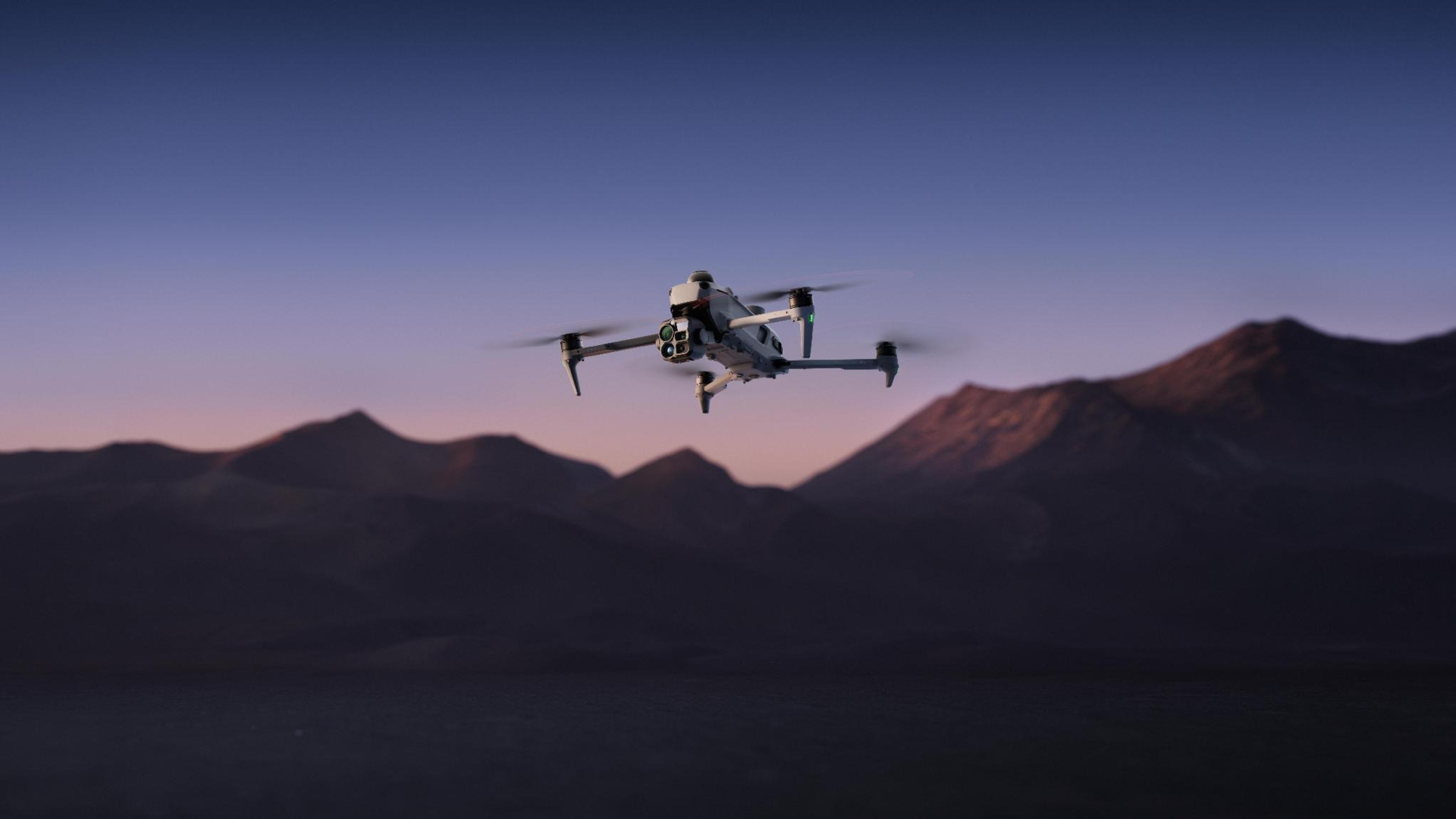
DJI introduced the Matrice 5T, a professional‑class drone designed to enhance search‑and‑rescue operations with its advanced night‑vision and high‑resolution thermal imaging.
It carries a 1,000‑pixel thermal sensor that records heat signatures at a resolution four times greater than the standard thermal cameras used on similar UAVs. This higher level of detail lets pilots detect slight temperature variations, a vital advantage when trying to find people concealed by vegetation, wreckage, or dim lighting.
In addition to its imaging improvements, the Matrice 5T is capable of spotting thin power lines up to 32 metres away, assisting operators in safely maneuvering through intricate settings and preventing unintended collisions with dangerous infrastructure during crisis missions.
DJI’s launch mirrors a wider shift toward embedding high‑quality sensors in aerial platforms for public‑safety use. In the last ten years, drones have evolved from hobbyist toys into critical resources for disaster relief, providing swift aerial surveys, live video streams, and access to locations inaccessible to ground crews.
Experts point out that the Matrice 5T’s superior thermal resolution may cut the time required to find missing individuals, particularly in situations like wildfires, floods, or nocturnal events where visual indicators are scarce. Detecting weak heat signatures from greater heights also broadens the operational range, enabling teams to sweep larger search areas with fewer sorties.
Although DJI has kept pricing under wraps, it places the Matrice 5T within its enterprise series, implying that sales will target government bodies, NGOs, and professional rescue organizations. As regulators keep tweaking drone‑use regulations, the presence of such sophisticated gear could drive revisions to standard operating procedures, helping responders exploit the technology while upholding safety and privacy guidelines.


Comments (0)
Be the first to comment.
Join the discussion