Digital Game Sales Still Count as Licenses, Not True Ownership, Amid Dwindling Choices
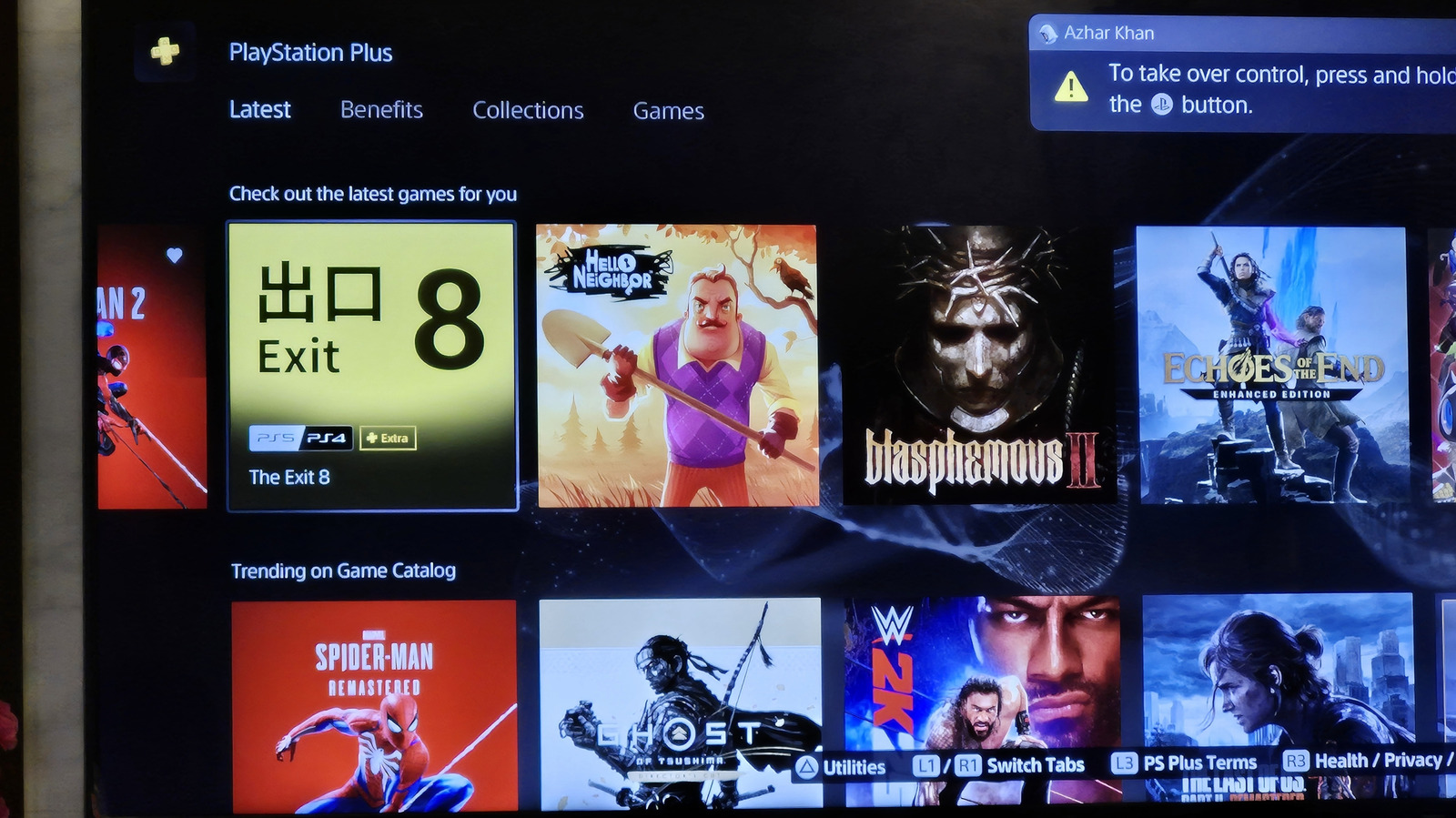
Gamers who assume they possess the video games they download might soon find that what they actually hold is a revocable license, a development that widens the divide between genuine ownership and mere digital access.
Analysts point out that the majority of online stores view a purchase as a conditional contract instead of a full transfer of property. Acquiring a game on services like Steam, the Epic Games Store, or console marketplaces actually grants a software‑use license, governed by the platform’s terms of service. Those terms frequently contain provisions permitting the provider to suspend or end access should the user violate the agreement, or if the publisher pulls the title due to licensing, legal, or financial issues.
Recent well‑known cases have underscored how precarious these licenses can be. Certain games disappeared from stores once music or branding licenses lapsed, while others became unplayable after server shutdowns, turning purchased files into dead ends. Occasionally, whole libraries have been locked out when platforms shut down, highlighting the danger of tying digital libraries to the survival of a single service.
Legal experts contend that the absence of explicit consumer safeguards for digital buys puts gamers in a vulnerable position. Whereas physical discs can be resold, lent or archived, digital versions remain confined to the seller’s ecosystem. This restriction shrinks the resale market, impedes preservation, and compels users to depend on the goodwill and durability of platform providers.
While the sector moves forward, a number of developers and publishers are testing distribution approaches intended to bring back some sense of ownership. Alternatives like DRM‑free titles, blockchain‑based ownership tokens, and direct‑to‑consumer storefronts are attracting limited interest, yet they remain peripheral to the major platforms. Commentators note that if these models were adopted more widely they could cushion users against one‑sided game removals, though any major shift will probably happen slowly.
In the meantime, shoppers should scrutinize licensing terms, keep backups where allowed, and think about backing games that provide DRM‑free options. The persistent discussion over digital rights keeps influencing how players obtain and keep their libraries, and upcoming regulations could further tip the scales between corporate control and consumer ownership.


Comments (0)
Be the first to comment.
Join the discussion