Deputy suggests trimming civil service to fund diesel price cuts amid Middle East war
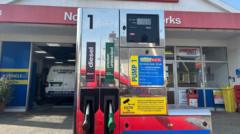
A senior government deputy has floated the idea that eliminating a slice of public‑sector positions could free the money required to bring down diesel prices, which have surged as the Middle East conflict lifts worldwide energy costs.
Addressing reporters on Thursday, the deputy argued that a short‑term suspension of certain duties combined with a modest cut in the civil service would create fiscal headroom, allowing the saved funds to be redirected as subsidies for diesel – a fuel that remains vital for transport, logistics and numerous small enterprises.
Since the fighting began in the Middle East, crude‑oil markets have become markedly volatile, with benchmark rates climbing several percent. Those hikes have filtered through to retail diesel, sparking worries among commuters and commercial operators over rising operating expenses. The deputy’s suggestion mirrors a wider governmental push to cushion domestic consumers from external shocks.
Opponents caution that trimming public‑sector jobs could trigger social fallout, particularly in areas where government employment is a key source of stability. Labor unions have warned of the danger of diminished services and higher unemployment if cuts are not precisely targeted. The deputy acknowledged these points, stressing that any reductions would be limited, temporary and paired with safeguards for the most vulnerable workers.
The proposal arrives while the cabinet weighs a suite of fiscal options to counter the inflationary pressure generated by the conflict. Options on the table range from temporary tax breaks and direct subsidies to strategic releases from strategic petroleum reserves. Observers note that although the deputy’s plan is ambitious, it would need parliamentary endorsement and a thorough cost‑benefit review to confirm that the diesel relief justifies the economic cost of a smaller public sector.
Analysts say the idea highlights the tightrope governments walk: protecting citizens from erratic energy prices while preserving public‑sector performance. As talks proceed, the deputy’s call for a duty freeze and modest job cuts adds a fresh angle to the policy debate, underscoring the challenges of fiscal stewardship in an unpredictable global energy environment.


Comments (0)
Be the first to comment.
Join the discussion