Daily Fiber Intake Linked to Reduced Knee Osteoarthritis Pain and Increased Strength
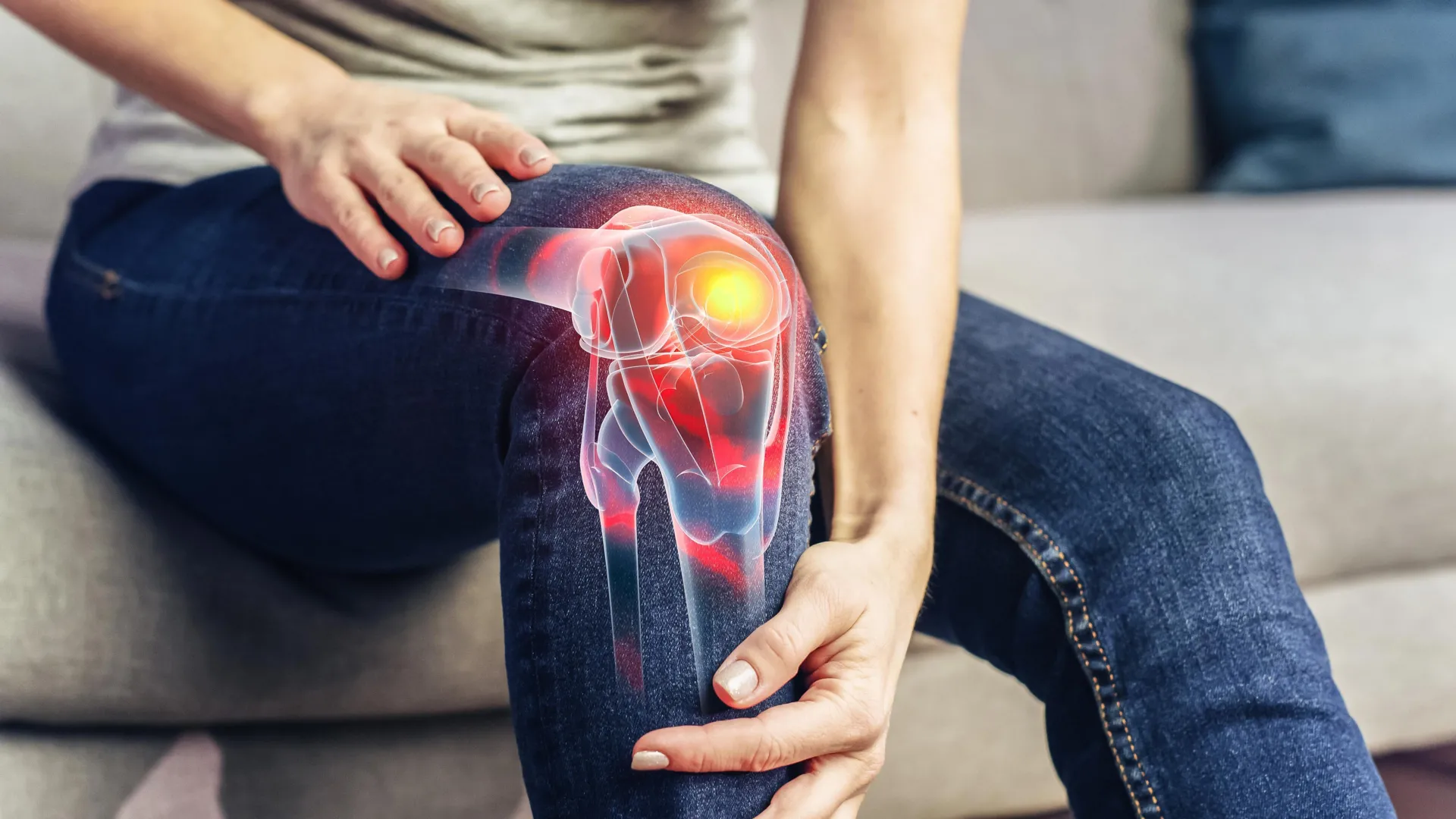
In a newly published clinical trial, a modest fiber supplement taken once each day was shown to significantly diminish knee pain in osteoarthritis patients, boost muscle strength, and elevate the pain‑threshold. Researchers attribute these effects primarily to changes in the gut microbiota.
The study recruited adults with diagnosed knee osteoarthritis and randomly allocated them to receive either the fiber supplement or a placebo for a period of several months. Both participants and investigators remained blinded to the assignments. Pain intensity was captured using standardized questionnaires, quadriceps strength was measured with a dynamometer, and pain sensitivity was evaluated through quantitative sensory testing.
Results indicated that participants who took the fiber experienced a statistically significant reduction in pain scores relative to the placebo group, together with observable improvements in knee‑extensor strength. Additionally, sensory testing demonstrated heightened tolerance to pressure‑induced pain, implying a generalized attenuation of nociceptive signaling.
Investigators link these results to the supplement’s effect on the intestinal microbiome. By feeding advantageous bacterial populations, the fiber is presumed to increase the generation of short‑chain fatty acids—molecules recognized for their anti‑inflammatory properties and their role in modulating the gut‑brain axis. Consequently, lowered systemic inflammation could relieve the joint pain and muscle weakness typical of osteoarthritis.
Should larger and longer‑term investigations verify these findings, this inexpensive, diet‑based approach might serve as a useful complement to current osteoarthritis treatments, which largely depend on analgesics and physical therapy. The research team stresses the importance of additional trials to fine‑tune dosing, pinpoint the most effective fiber varieties, and determine if comparable advantages apply to other joints impacted by the condition.


Comments (0)
Be the first to comment.
Join the discussion