Congress Unveils Ban Flock Act to Bar License‑Plate Surveillance Cameras
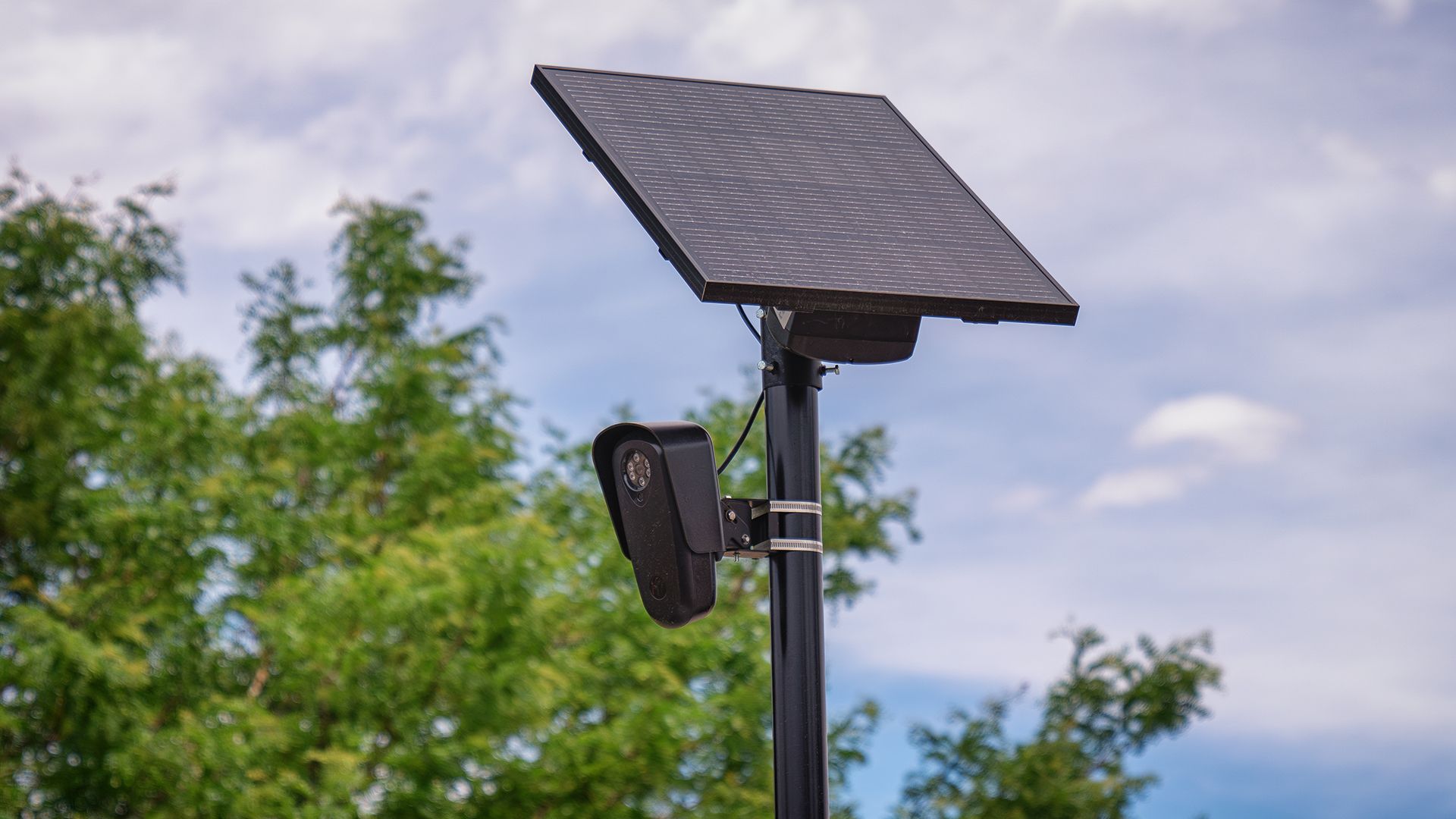
In Washington, legislators have rolled out a proposal called the Ban Flock Act, which seeks to bar the use of automated license‑plate recognition (ALPR) systems that monitor vehicle movements as they happen. Unveiled on the House floor this week, the measure points to rising privacy worries about camera‑based tracking tools capable of assembling comprehensive travel logs of everyday people.
Whereas prior bills targeted a specific vendor’s equipment, the Ban Flock Act broadens the scope to encompass every ALPR unit, no matter who makes it. Its sponsors contend that the constant scanning and archiving of license‑plate information effectively forms an unofficial surveillance grid, increasing the chance of abuse by governmental bodies and private firms alike. The proposal would mandate clear warrants for any continuous gathering of plate data and impose limits on how long such records may be kept.
The initiative has garnered increasing backing from progressive members of Congress. Senator Bernie Sanders, known for championing digital‑rights safeguards, has openly endorsed the effort, aligning with a group of legislators who argue that unregulated plate‑reading schemes weaken the Fourth Amendment’s protection against unreasonable searches. Although the complete roster of co‑sponsors remains undisclosed, the bill seems to have attracted attention from a diverse array of privacy‑oriented lawmakers.
Advocates cite an expanding body of proof that ALPR technology is being applied beyond classic law‑enforcement tasks, including traffic‑flow monitoring, parking‑violation enforcement, and even private‑sector marketing campaigns. Detractors maintain that pooling location data can expose personal habits, affiliations and connections, frequently without the subject’s awareness or permission.
Critics of the Ban Flock Act, among them multiple law‑enforcement agencies, argue that ALPRs constitute vital public‑safety instruments, allowing swift identification of stolen cars, the location of missing individuals, and assistance in probing serious offenses. They caution that excessively tight rules might impede legitimate policing and curtail agencies’ capacity to address new threats.
The proposal now moves to committee for additional discussion, where a divide between privacy champions and law‑enforcement officials is expected. Should it clear Congress, the law would establish a precedent for federal regulation of a technology that has spread throughout municipal and state jurisdictions. Analysts observe that the decision could shape a wider national dialogue on balancing security aims with civil liberties amid growing digital surveillance.


Comments (0)
Be the first to comment.
Join the discussion