Choosing the Proper Solar Panel Capacity for Your RV
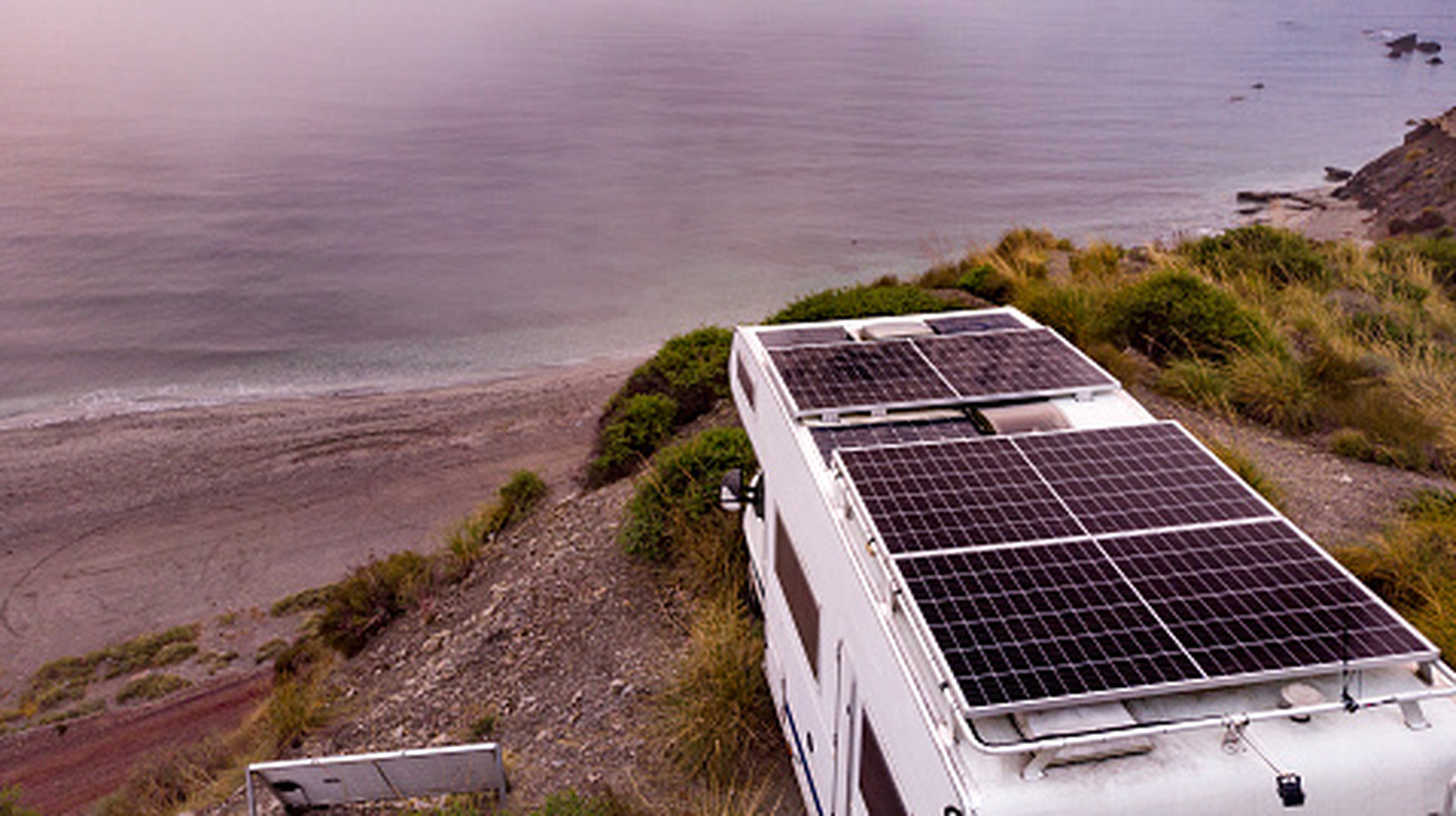
Anyone using solar power to run their RV needs to start by asking a straightforward question: what amount of solar watts is necessary to satisfy daily consumption? Lacking an accurate figure can lead to undersized setups that drain batteries or to overly large panels that increase weight and expense without offering advantage.
Proper sizing begins with a detailed audit of the RV's electricity usage. Items such as refrigerators, air‑conditioners, water pumps, lighting and personal electronics each consume a specific amount of energy, usually expressed in watt‑hours. Summing the projected daily draw of every device and matching it against the capacity of the on‑board battery bank lets owners determine the net power the solar array must provide each day.
Typical midsize motorhomes and tow‑behind trailers use roughly 2,000 to 5,000 watt‑hours over a 24‑hour period, depending on climate control and entertainment preferences. With an average of four peak sun hours per day—a variable that shifts with latitude, season and weather conditions—a 3,500‑watt‑hour demand translates to a solar array of about 875 watts (3,500 ÷ 4). Adjustments become necessary for locations with reduced sunlight or when high‑draw loads like an inverter or electric heater are planned.
Beyond the raw calculations, practical factors matter. Shade from trees, awnings, or the RV’s own roof can cut panel output by 20 % or more, making placement and tilt crucial. A charge controller, ideally a maximum‑power‑point‑tracking (MPPT) model, is required to turn fluctuating solar input into efficient battery charging. Inverters also introduce losses—typically 10‑15 % of the drawn power—and should be sized to meet peak demands without straining the system.
Online solar calculators and mobile apps simplify the estimation process, letting users input appliance lists, battery specs and expected sun exposure to receive a suggested panel size. As solar technology advances and costs fall, many RV owners are turning to modular, flexible panels that can be added over time. By aligning solar capacity with real energy needs, travelers can enjoy off‑grid freedom while keeping weight, expense and complexity under control.



Comments (0)
Be the first to comment.
Join the discussion