Choosing Screen Protectors for Foldable Phones: What Buyers Should Consider
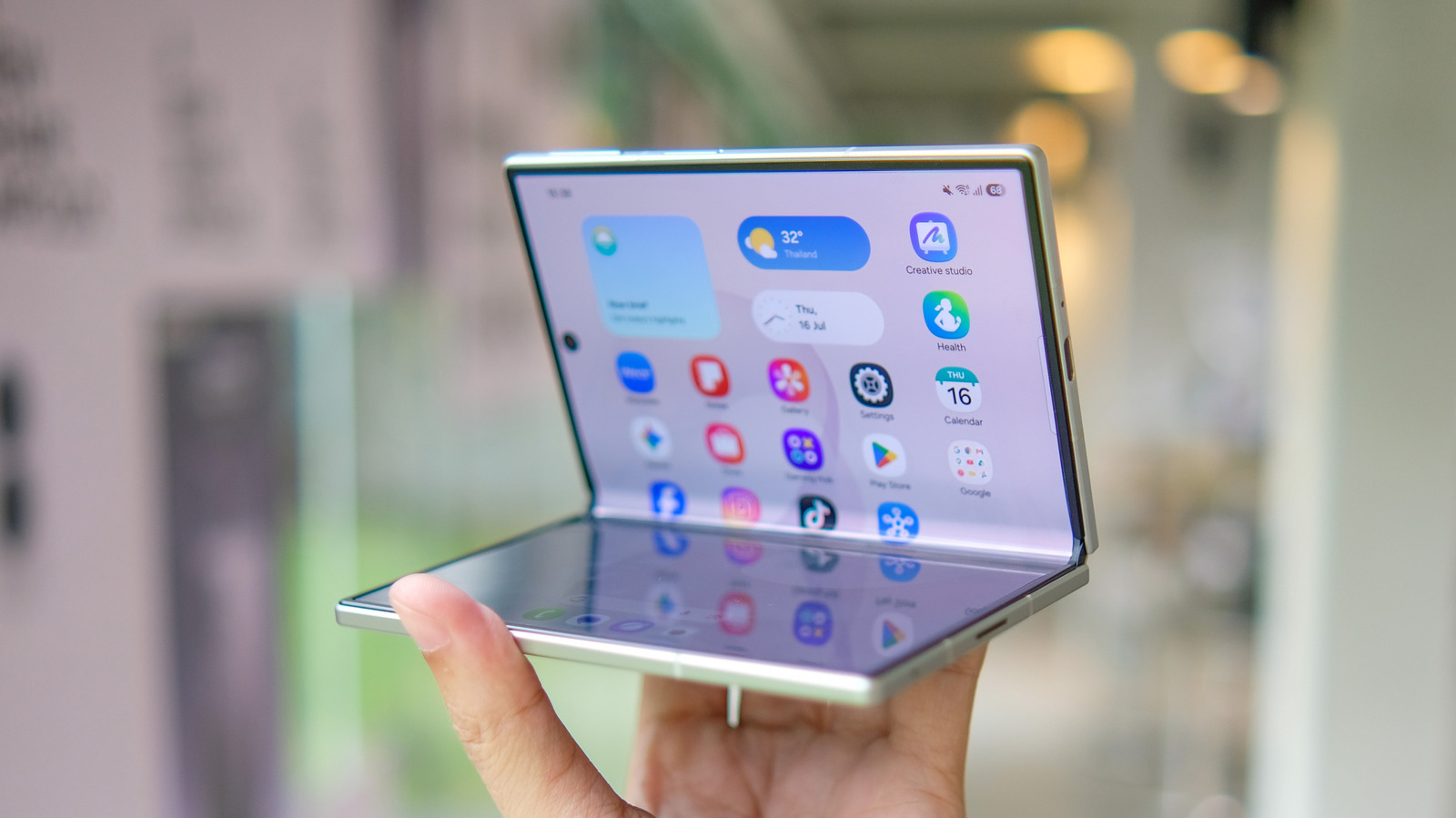
With foldable smartphones moving into the mainstream, owners are wondering whether a regular screen protector can be fitted without undermining the device’s distinctive design. The attraction of a protective film or glass is obvious—it promises to shield a costly, bendable display from scratches and everyday wear.
Unlike conventional flat panels, foldable displays sit on flexible substrates that repeatedly fold along a hinge. This pliability imposes specific requirements on any added layer: the protector must flex in harmony with the screen, remain firmly attached across the crease, and not obstruct the hinge mechanism.
In response, manufacturers have introduced a narrow selection of accessories crafted expressly for foldables. Options include ultra‑thin polymer films that hug the curvature and tempered‑glass sheets equipped with segmented hinges. Conventional glass protectors meant for rigid phones frequently fail to stick correctly, may lift at the fold line, or even crack after repeated bending.
Both device makers and repair specialists typically counsel caution. Certain brands warn that using any third‑party protector could void the warranty, whereas others have approved specific products after testing. The general advice is that, if a protector is employed, it should be one that conforms to the model’s specifications and be applied by a professional to prevent bubbles or misalignment that could impact touch sensitivity.
The accessory market is slowly growing as demand increases, and upcoming foldable models might integrate built‑in protective layers that lessen reliance on aftermarket options. For the moment, users need to balance the added scratch protection against possible downsides such as a different screen feel, diminished visibility at the hinge, or the chance of damage during installation.


Comments (0)
Be the first to comment.
Join the discussion