Chinese scientists uncover how small fire ants outmaneuver far larger invasive foes
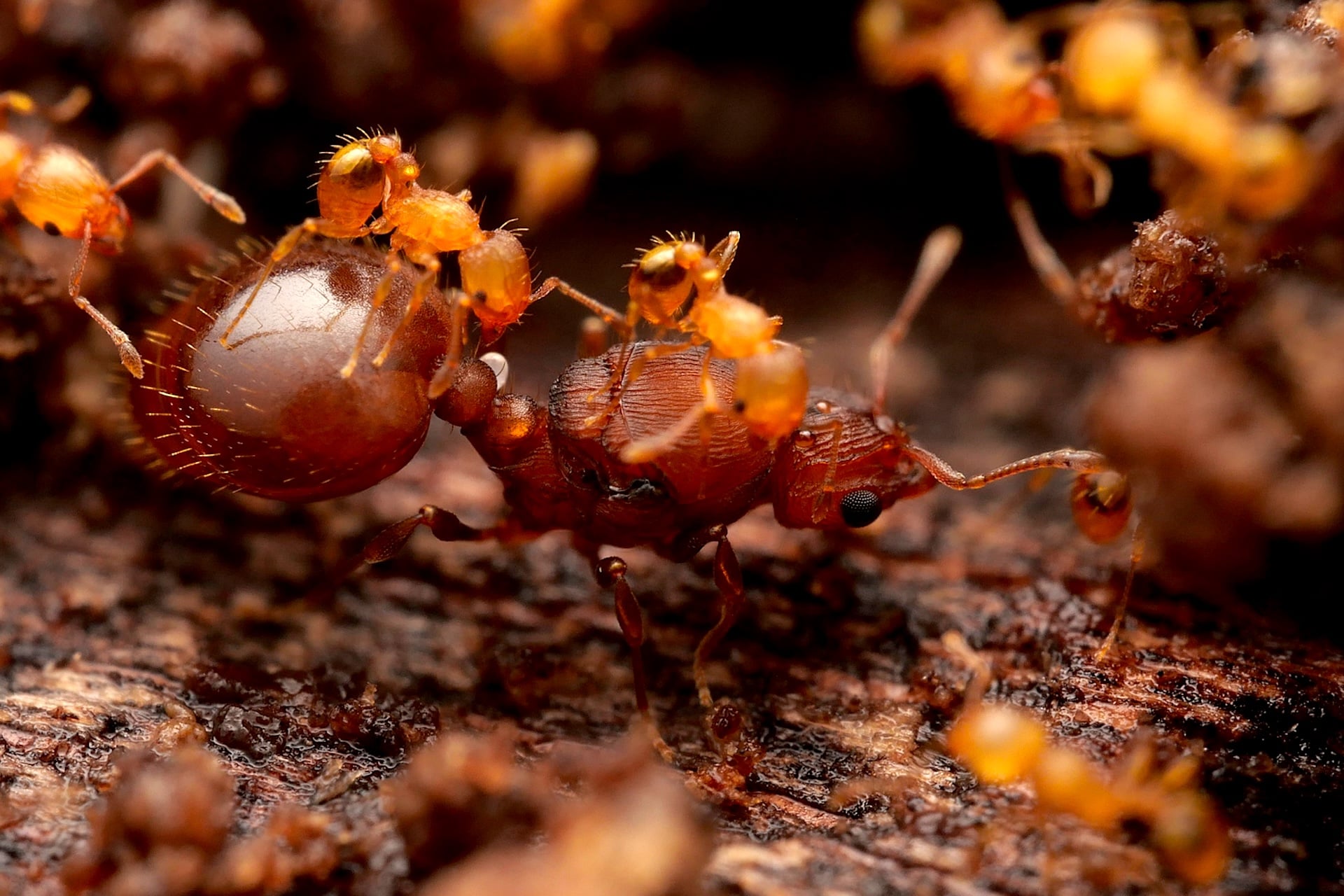
Chinese scientists have identified the methods by which fire ants—about one‑third the length of a rival invasive species—regularly outcompete the bigger insects. Reported by a tech news site, the research points to a tactical advantage based on teamwork instead of sheer strength.
The study examined fire ants, famed for their fierce foraging and potent stings, alongside an invasive ant that can exceed three times their size. Although the bigger ants enjoy a size benefit, fire ants showed an unexpected ability to disturb and oust them in overlapping territories.
Researchers merged field observations with lab‑based experiments, monitoring both species’ movements through high‑resolution video and chemical‑analysis equipment. Watching their interactions over several weeks enabled them to chart attack sequences and the cues that sparked collective fire‑ant responses.
Results indicate fire ants use a “hit‑and‑run” tactic, targeting vulnerable spots in the opposing colony like entrance tunnels and brood chambers. Instead of meeting the larger workers head‑on, they mass together, following pheromone trails to launch swift, concentrated attacks that swamp the enemy’s defenses before any direct battle unfolds.
Such findings carry wider significance for controlling invasive ant infestations, which inflict ecological and economic harm globally. Grasping the behavioral tricks that let smaller species prevail could shape biocontrol approaches that exploit natural predation and rivalry.
The researchers intend to broaden the study by assessing if these tactics can be applied elsewhere and by examining how environmental variables affect fire‑ant raid success. Their continued work seeks to convert these ecological insights into actionable measures for safeguarding biodiversity and defending agricultural assets.


Comments (0)
Be the first to comment.
Join the discussion