Cells Harness Intricate Repair Mechanisms to Preserve DNA Fidelity
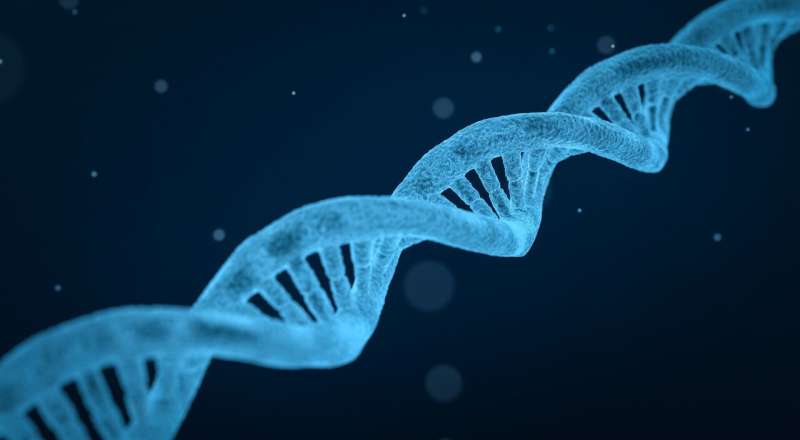
Every human cell constantly faces the challenge of maintaining its genetic blueprint, a task that becomes more demanding each time the cell undergoes division and must replicate its DNA with precision. Researchers note that the molecular apparatus responsible for duplicating and fixing DNA works under continual assault from internal metabolic by‑products as well as external environmental hazards.
During the replication phase, the enzyme DNA polymerase synthesizes the double helix, yet the process is not flawless. Errors such as misincorporated nucleotides, strand breaks, and chemical alterations can occur, triggering an array of surveillance mechanisms. If these lesions remain unrepaired, they threaten genome stability and may give rise to mutations that accumulate over time.
To neutralize this danger, cells deploy a collection of repair pathways, each specialized for a particular form of damage. Base excision repair excises small, chemically modified bases; nucleotide excision repair removes bulky adducts like those produced by ultraviolet radiation; mismatch repair corrects replication mistakes; and homologous recombination or non‑homologous end joining mend double‑strand breaks. Dozens of proteins cooperate to detect damage, signal its presence, and orchestrate the corrective actions.
Studies underscore that shortcomings in any of these systems can have serious repercussions. For example, inherited mutations in mismatch‑repair genes increase susceptibility to certain cancers, while flaws in homologous recombination underlie disorders such as hereditary breast and ovarian cancer. Additionally, the gradual waning of repair efficiency with age is believed to contribute to the buildup of somatic mutations seen in older tissues.
The relevance of DNA repair extends beyond preventing disease. It shapes how cells react to therapeutic strategies like chemotherapy and radiation, which intentionally inflict DNA damage to eradicate cancer cells. Understanding the interplay between repair capacity and treatment‑induced lesions is steering the creation of drugs that block specific repair enzymes, thereby making tumors more responsive to existing therapies.
Looking forward, researchers are charting the elaborate network of repair proteins using high‑resolution structural methods and genome‑wide screens. These initiatives aim to uncover new intervention points and anticipate how individual genetic make‑ups may influence repair proficiency. As insight deepens, the prospect of personalized approaches that enhance DNA maintenance—or selectively weaken it in diseased cells—becomes increasingly attainable.


Comments (0)
Be the first to comment.
Join the discussion