California Prohibits AI Use in Firing Decisions and Employee Surveillance
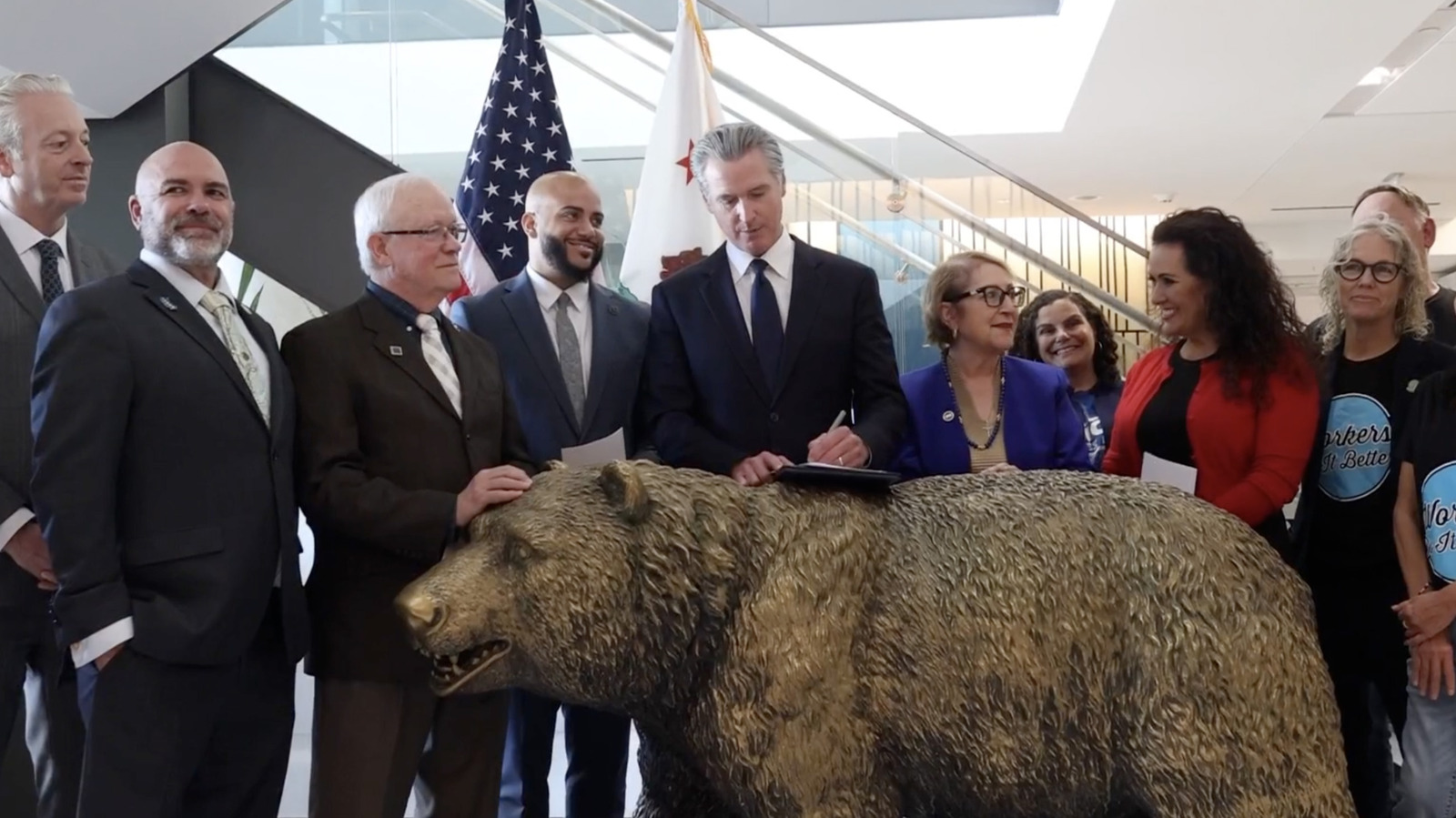
California has become the first state to enact a law that bars companies from using artificial‑intelligence systems to determine employee layoffs or to conduct continuous worker monitoring. Effective this month, the statute expressly forbids algorithmic tools that can initiate dismissal actions or perform ongoing performance surveillance without direct human control.
Legislators presented the bill as a reaction to mounting worries that opaque AI models might entrench bias, deny due process, and intrude on employee privacy. The measure was backed by a coalition of labor unions and privacy advocates who contended that decisions affecting livelihoods should not be handed over to black‑box software with undisclosed criteria. Proponents also pointed to recent high‑profile incidents where firms employed predictive analytics to label staff as “underperforming,” sometimes leading to sudden terminations.
The law still permits employers to employ AI for peripheral functions such as scheduling assistance or data analysis, but any system capable of triggering a firing or producing continuous monitoring reports must be coupled with a clear, human‑review process. Violators could face civil penalties of $5,000 to $25,000 per violation and may also be subject to private lawsuits from the workers involved.
The rule comes as part of a wider national conversation about AI’s place in the workplace. While some technology companies argue that algorithmic tools boost efficiency and curb managerial bias, critics warn that without transparent accountability these systems can reinforce existing inequities. California’s action joins other recent state initiatives, including New York’s proposed limits on facial‑recognition surveillance and Illinois’ biometric privacy law, indicating a move toward stricter oversight of emerging technologies.
Reactions from business leaders have been mixed. The California Chamber of Commerce warned that the law could raise compliance expenses and restrict firms’ ability to scale automated HR solutions. In contrast, several employee‑rights groups praised the measure as a vital protection for workers in an age of rapid automation. Legal analysts anticipate that companies will reassess their AI strategies, possibly shifting to more transparent, auditable models or reverting to traditional human‑centered decision‑making.
The state’s Department of Fair Employment and Housing will oversee implementation, issuing guidance on what constitutes “reliance” on AI for terminations. As companies adapt to the new requirements, the statute could serve as a blueprint for other states wrestling with the tension between technological innovation and worker safeguards.



Comments (0)
Be the first to comment.
Join the discussion