AtlasBase Introduces Ultra‑High‑Capacity DNA Capsules Aiming at Petabyte‑Level Archival Storage
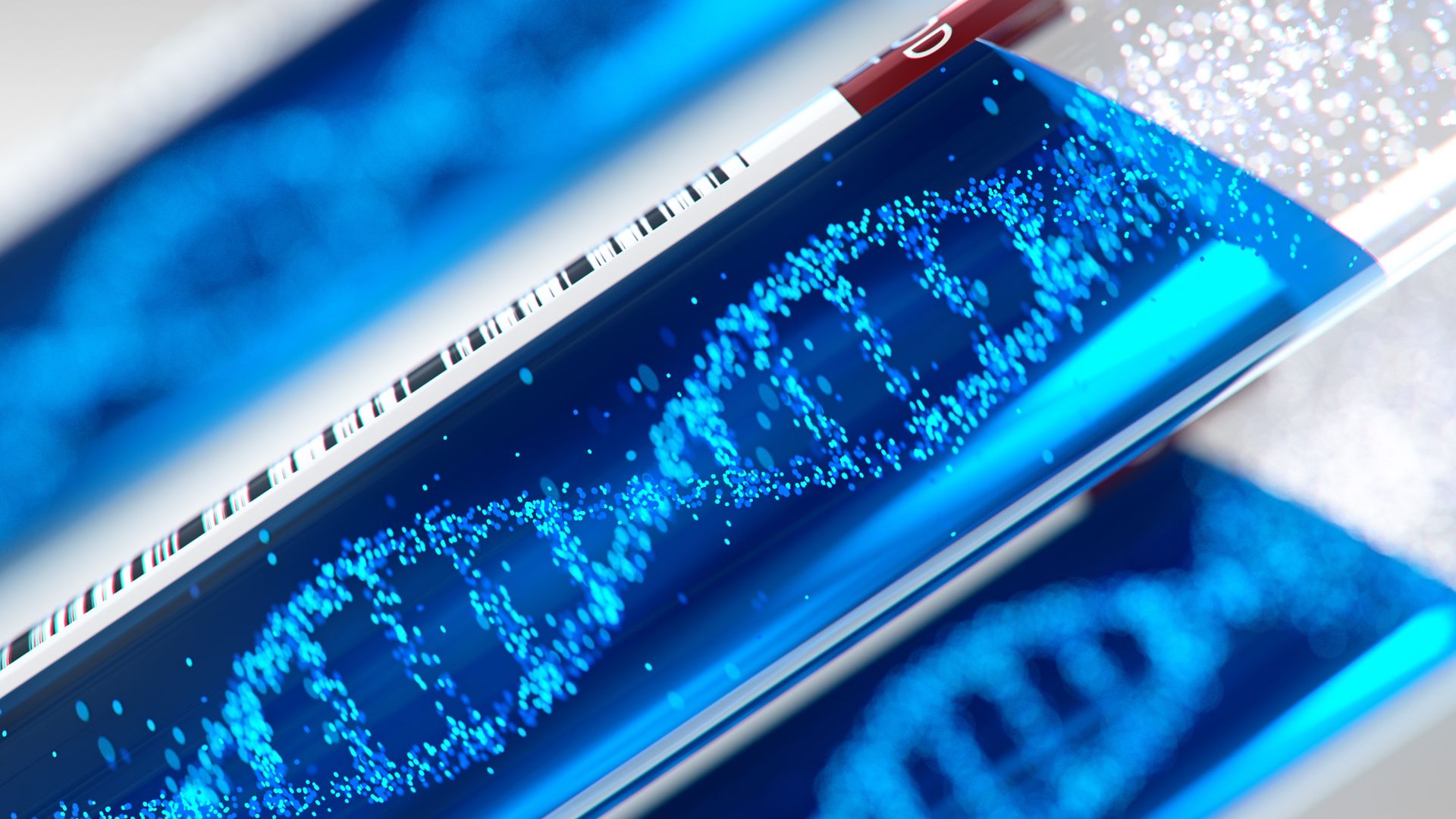
AtlasBase revealed a prototype DNA‑based storage cartridge capable of accommodating as much as 50 petabytes of information within a single capsule, pitching the solution as a potential replacement for magnetic tape in long‑term archiving. The cartridge is intended to house 100 such capsules, yielding a current capacity of roughly 100 terabytes and a future ceiling of up to five exabytes should the complete roadmap be realized.
The firm emphasized the natural resilience of DNA, pointing out that the encoded genetic strands can stay intact for over a thousand years without power, cooling or any special environmental management. Such endurance stands in stark contrast to conventional tape media, which deteriorates over a few decades and depends on climate‑controlled storage facilities.
Although the projected capacities are bold, AtlasBase has yet to reveal performance figures like read/write speeds, nor have they shared pricing details or a schedule for market launch. Analysts warn that absent transparent data on throughput and cost, the offering could stay confined to a niche role for ultra‑long‑term preservation instead of becoming a mainstream substitute for current archival processes.
For years, multiple research teams have investigated DNA storage, capitalizing on the molecule’s exceptional data density and stability. The method generally consists of synthesizing strands that encode binary data, preserving them, and subsequently sequencing the strands to recover the information. Yet, both synthesis and sequencing have traditionally been costly and slow, hindering widespread deployment.
According to AtlasBase’s roadmap, progress in enzymatic synthesis and high‑throughput sequencing may eventually reduce both expense and latency, rendering petabyte‑scale capsules practical for organizations that must protect vast data collections for centuries. Upcoming milestones are slated to concentrate on scaling manufacturing, enhancing error‑correction techniques, and embedding the capsules within current data‑center architectures. Until these challenges are met, the sector will monitor closely to determine if DNA can transition from a laboratory novelty to a viable archival medium.


Comments (0)
Be the first to comment.
Join the discussion