Army’s Large‑Scale Iowa Explosive Test Draws Mixed Reactions
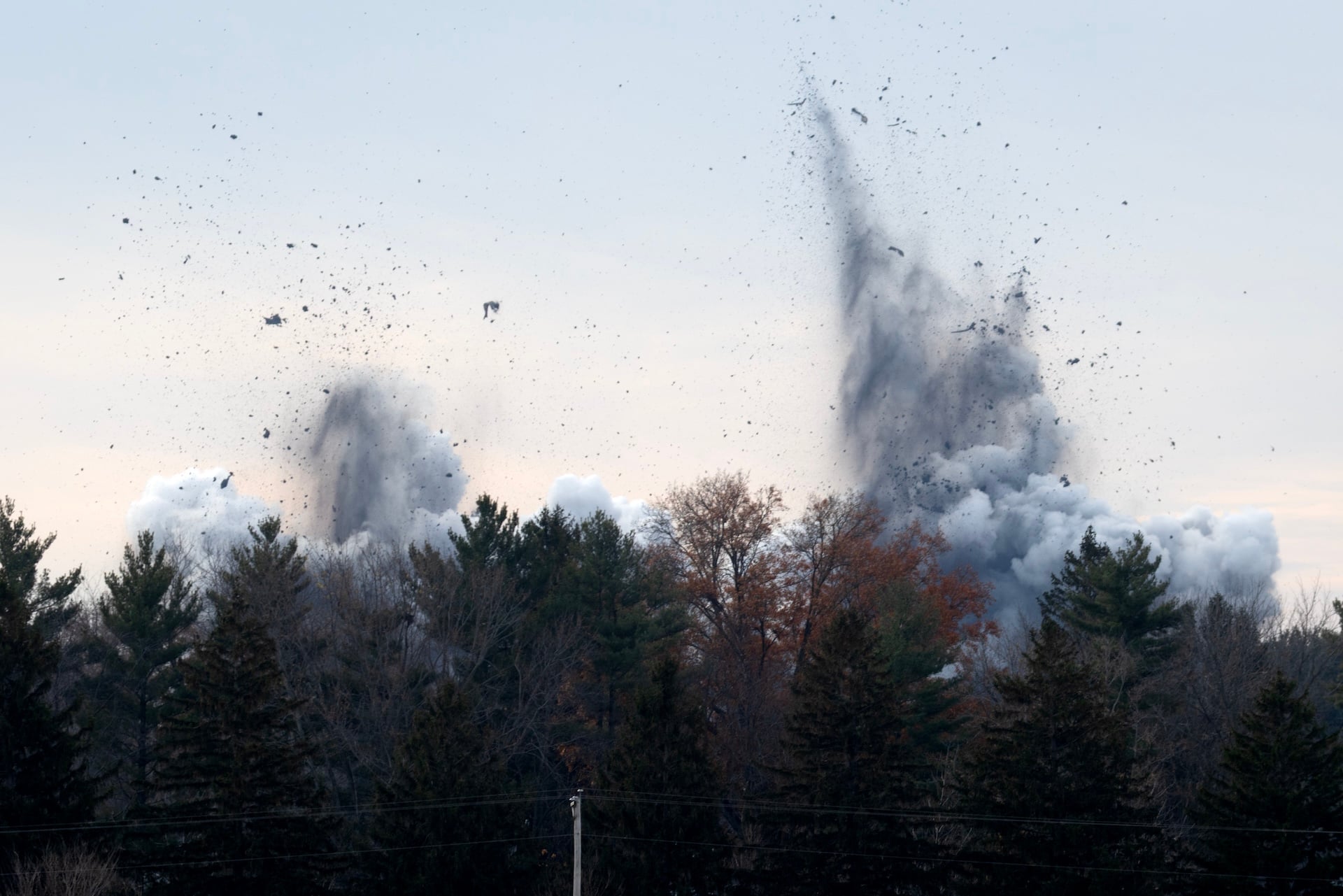
This week, the U.S. Army executed a controlled demolition in western Iowa, detonating nearly five tons of munitions deemed hazardous and environmentally unsafe. Officials from the military called the mission a “success,” pointing out that the explosion safely neutralized the perilous material with no immediate injuries reported.
Stored for decades at an isolated depot, the explosives have faced criticism from nearby residents and environmental organizations, who cautioned that the blast might emit toxic substances into air and soil. Authorities explained that the location was selected for its remoteness and that a suite of monitoring equipment would observe any pollutants throughout and following the explosion.
Nevertheless, community members stay uneasy. Town‑hall gatherings in the weeks before the demolition exposed a deep mistrust of federal officials, with numerous residents urging a thorough health‑impact study and more transparent information on the chemicals involved. A number of locals have petitioned for an independent review, contending that the Army’s evaluation fails to consider long‑term environmental effects.
The dispute reflects a wider discussion about the military’s methods for disposing of aging ordnance. In the last ten years, the Department of Defense has more frequently opted for on‑site detonations as a cost‑saving substitute for moving old munitions to specialized sites. Critics claim these actions could subject surrounding communities to hazardous by‑products, whereas the Army argues that contemporary blasting methods and real‑time monitoring lessen such dangers.
State environmental agencies have committed to testing air and water samples taken before, during, and after the blast. Preliminary results are slated for release in the coming weeks, and officials state that any measurements surpassing safety limits will prompt remediation measures. The Army additionally announced it will perform a follow‑up inspection of the crater to verify that no lingering contamination remains.
As the dust clears, the episode underscores the clash between national‑security priorities and local environmental health worries. Although the military regards the detonation as an essential step toward eliminating outdated weaponry, Iowa residents persist in demanding transparency and confidence that the cleanup will not leave a lasting mark on their community.



Comments (0)
Be the first to comment.
Join the discussion