Apple’s 2026 MacBook Pro Boasts Far Better Battery Life Than Its 2011 Predecessor—But How Significant Is the Gain?
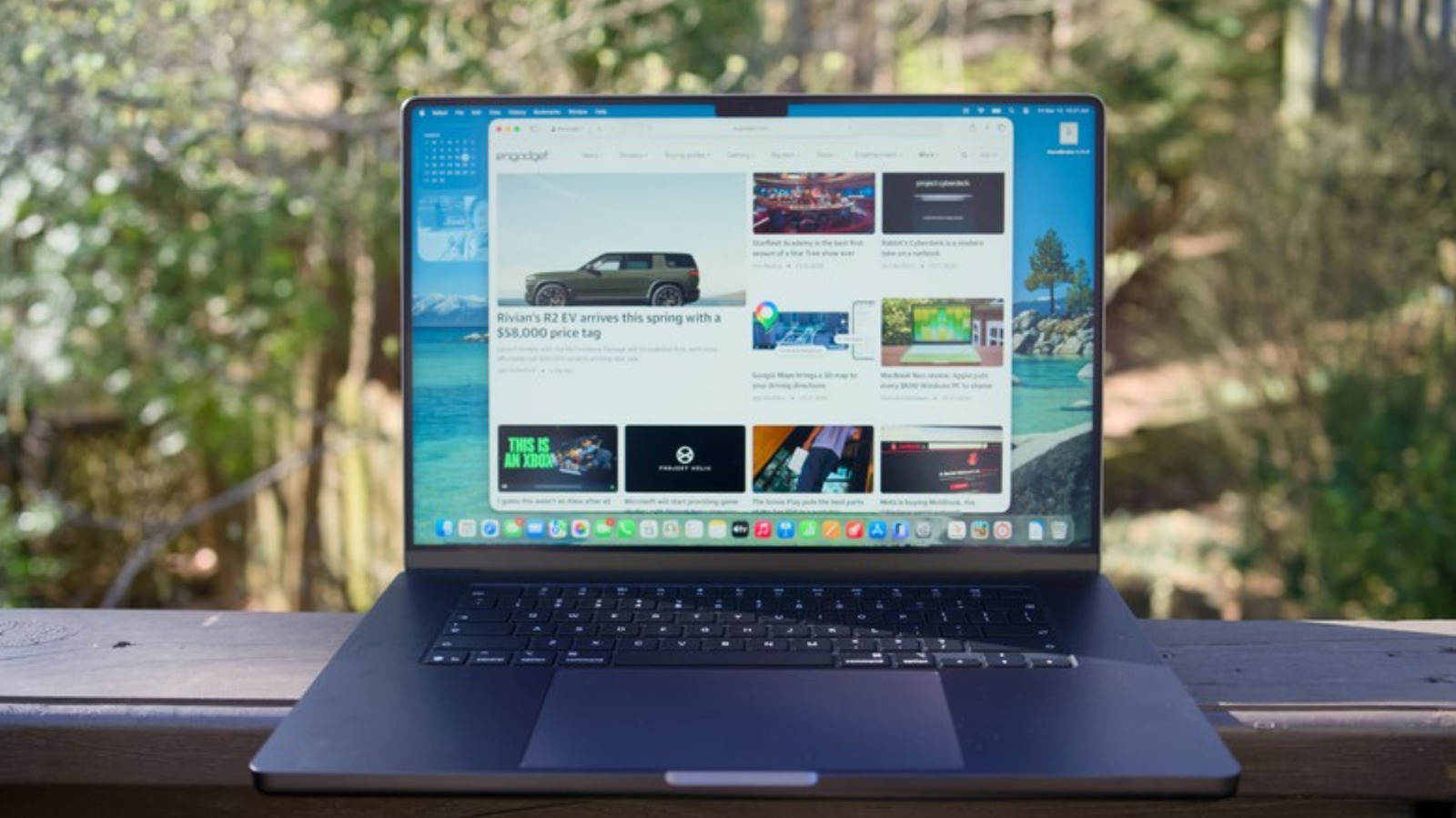
Apple has unveiled its 2026 MacBook Pro, a machine that leaps ahead in CPU speed, graphics strength, and overall aesthetics, positioning it as the go‑to workstation for professionals and creators. Critics have lauded its rapid performance and improved efficiency, yet many users wonder whether its battery endurance has kept up with the substantial hardware upgrades made over the past 15 years.
The 2011 MacBook Pro, introduced with Intel’s first‑generation Core i5 and i7 processors, generally managed five to seven hours of mixed‑use battery life—a decent number at the time but often a bottleneck for on‑the‑go work. By contrast, the 2026 version is advertised as delivering “all‑day” endurance, with Apple pointing to usage scenarios that far exceed the older model’s limits. While exact runtimes depend on the specific configuration and tasks, the published specifications indicate a clear rise in unplugged operating hours.
Several elements drive the newer laptop’s longer battery performance. Apple now employs its own silicon, merging CPU, GPU and neural engines onto a single chip that offers higher performance per watt. Coupled with advances in battery chemistry and a physically larger cell, the device can handle power‑hungry activities—such as video rendering or AI‑assisted design—while consuming less energy than its Intel‑based predecessor. Moreover, macOS power‑management refinements now dynamically scale resources when peak performance isn’t required.
Analysts, however, warn that headline figures can be overly optimistic. Real‑world tests often show intensive software draining even the most efficient batteries quickly, and the 2026 Pro’s high‑resolution display, faster SSD, and additional ports all add to power draw. Nevertheless, for routine office tasks, web surfing and media playback, users should notice a marked improvement over the 2011 experience, frequently lasting an entire workday without a recharge.
Looking forward, Apple’s emphasis on tighter hardware‑software synergy suggests that upcoming MacBook models will keep extending battery life even as computational demands climb. At present, the 2026 MacBook Pro represents a tangible advance, delivering a notebook that not only runs faster but also stays powered longer, alleviating a long‑standing pain point for mobile creators who depended on the 2011 model’s limited endurance.


Comments (0)
Be the first to comment.
Join the discussion