Apple Positions iPhone as Central Hub for New HomeView Smart‑Home System
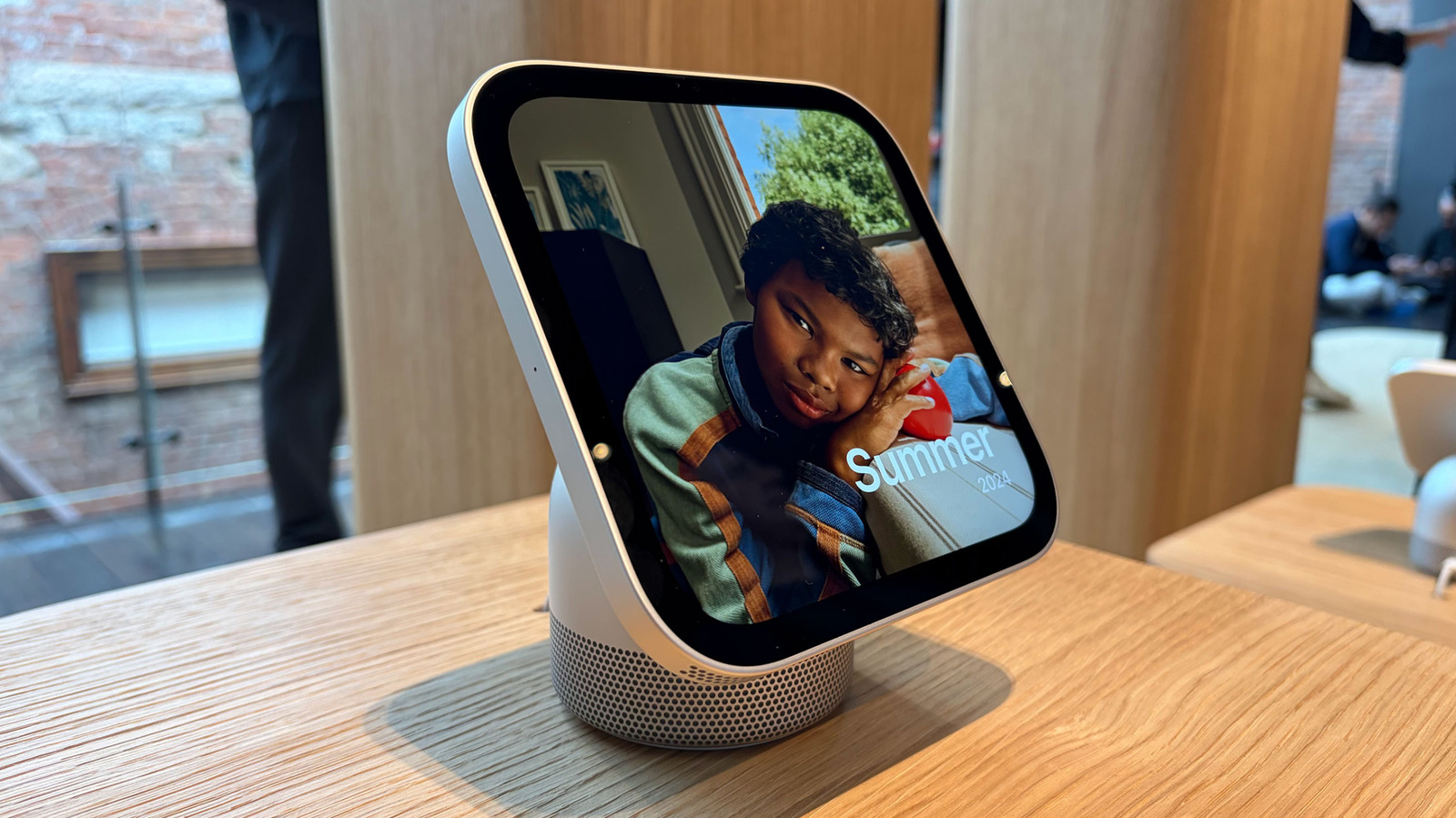
Apple’s newest smart‑home solution, HomeView, makes the iPhone the central controller for both personal and shared household management, converting the phone into the sole interface for setting lights, thermostats, cameras and other connected gear.
HomeView is marketed as a single pane that gathers every HomeKit‑compatible device into one display, but rather than depending on a dedicated hub, it leverages the iPhone’s existing hardware and software. By channeling all commands through the phone, Apple eliminates the need for an additional piece of equipment while using the device most users already carry.
This choice fits Apple’s wider approach of turning its flagship product into a service hub. The iPhone already holds encrypted user credentials, biometric authentication and location information, which HomeView can tap into to tailor scenes, automate routines and uphold privacy protections without extra logins or separate hardware.
In addition to personal convenience, HomeView is designed for shared use. Household members can be invited to access the same HomeView dashboard, letting each individual modify settings from their own iPhone while preserving a unified view of the home’s status. This communal model removes the clutter of multiple control panels and ensures that any change made by one person instantly reflects on everyone else’s device.
Relying solely on the iPhone does raise concerns about accessibility for homes that lack Apple devices. Critics argue that this strategy could deepen the lock‑in of the Apple ecosystem, possibly deterring Android users or those who favor a neutral hub. Nevertheless, the integration offers tighter security and a smoother experience for current iPhone owners.
Looking forward, analysts anticipate Apple will broaden HomeView’s functions via software updates and may eventually extend support to other Apple products such as iPads or Apple Watch, while keeping the iPhone as the main control point. The move highlights how Apple continues to bind its services tightly to its most popular hardware, a tactic that could influence the smart‑home platform market for years to come.



Comments (0)
Be the first to comment.
Join the discussion