Apple Joins Foldable Market with iPhone Duo Amid Intensifying Rivalry
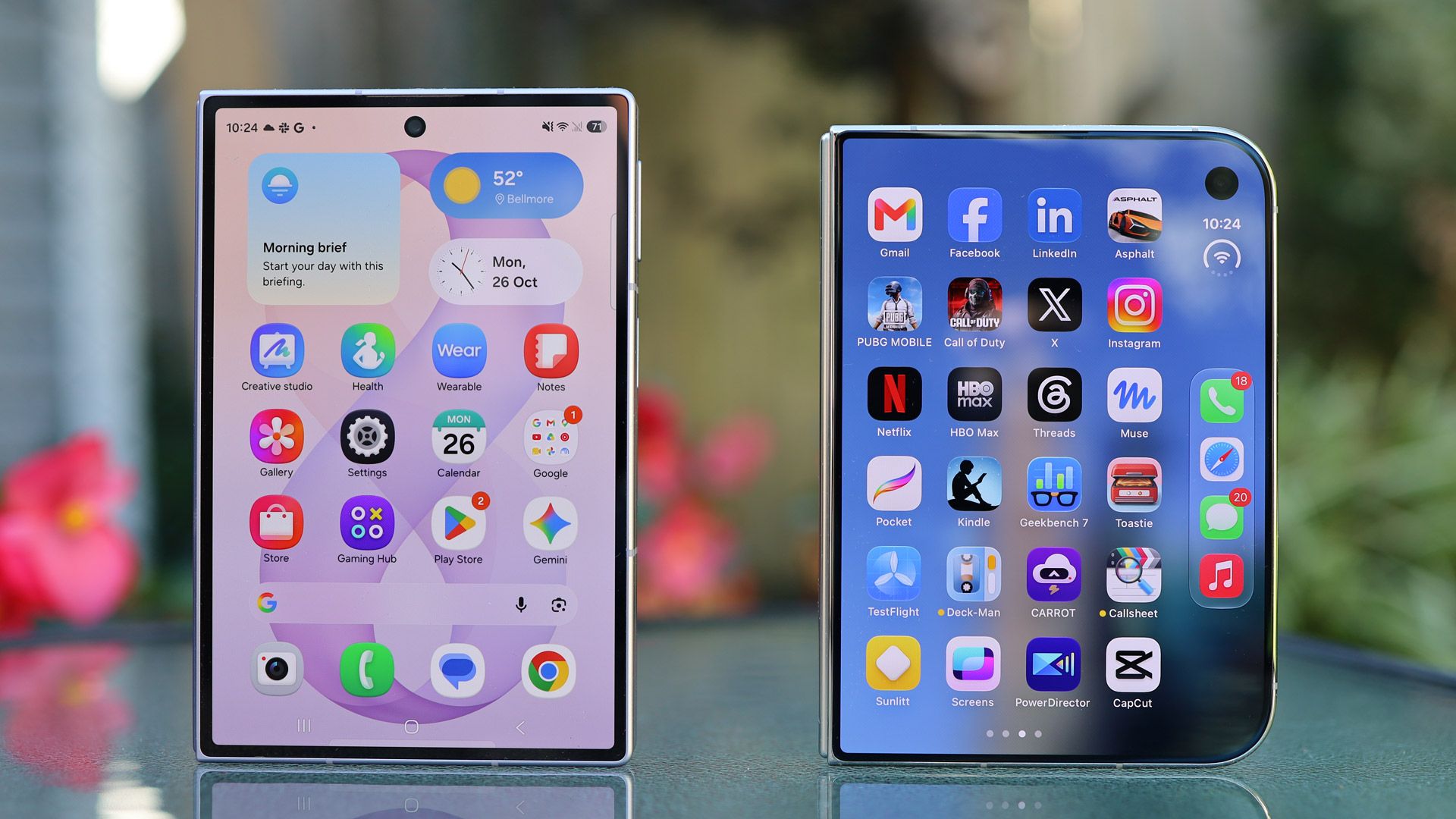
Apple announced its debut foldable handset, the iPhone Duo, signaling the company's foray into a segment that already hosts a number of bendable phones. The Duo isn’t the first of its kind; it arrives after models like Samsung’s Galaxy Z Fold 8 lineup—both the regular and Ultra versions—and Motorola’s Razr Fold, among others.
The debut highlights Apple’s usual prudence with novel designs, typically waiting for a technology to mature before investing heavily. Commentators observe that the iPhone Duo likely represents the fourth or fifth foldable device available to shoppers, implying Apple intends to absorb lessons from prior successes and failures instead of sprinting ahead.
Samsung still leads the foldable arena, with the Galaxy Z Fold 8 series lauded for its smooth hinge, solid software sync, and expanding accessory lineup. In contrast, Motorola’s Razr Fold, despite its retro look, has found limited uptake because of steep pricing and average performance. Apple’s arrival could shift the market dynamics, using its powerful brand devotion and broad developer network to win over consumers who have been wary of foldables.
Experts argue that the iPhone Duo matters more for the software adjustments Apple must make to support a dual‑screen layout than for any radical hardware breakthroughs. iOS will have to handle fresh multitasking models, dynamic app resizing, and smooth shifts between folded and open positions. Initial showcases suggested a buttery experience, yet the ultimate hurdle remains third‑party developers embracing the platform and creating native apps that fully utilize the expanded screen.
Shoppers are keeping a keen eye on cost. Historically, foldables command lofty price points, curbing broad adoption. Apple has yet to reveal the iPhone Duo’s price, but analysts anticipate it will occupy the premium tier, consistent with its top‑tier iPhone pricing. Whether this deters budget‑conscious customers is uncertain, particularly as Samsung and rivals begin rolling out cheaper options.
The debut comes as the mobile market searches for new growth catalysts following years of modest enhancements. Foldables offer bigger displays while retaining compactness, a mix that could spark renewed consumer enthusiasm. Apple’s involvement might speed this momentum, urging rivals to improve hinge robustness, power endurance, and software fine‑tuning.
Looking forward, the iPhone Duo has the potential to redefine how mobile OSes manage fluid screen space. Should Apple achieve a flawless experience, it could drive wider acceptance of foldables past early adopters and gadget fans. On the flip side, any blunders might cement the view that foldable phones stay confined to a niche market.
At present, the iPhone Duo represents a significant waypoint in Apple’s lineup, showcasing the firm’s openness to new form factors and mirroring the industry’s broader trial of bendable screens. The next few months will determine if the Duo can secure a durable foothold in a market still shaping its destiny.



Comments (0)
Be the first to comment.
Join the discussion