Apple Introduces Lockdown Mode: Weighing High‑Level Protection Against Daily Convenience
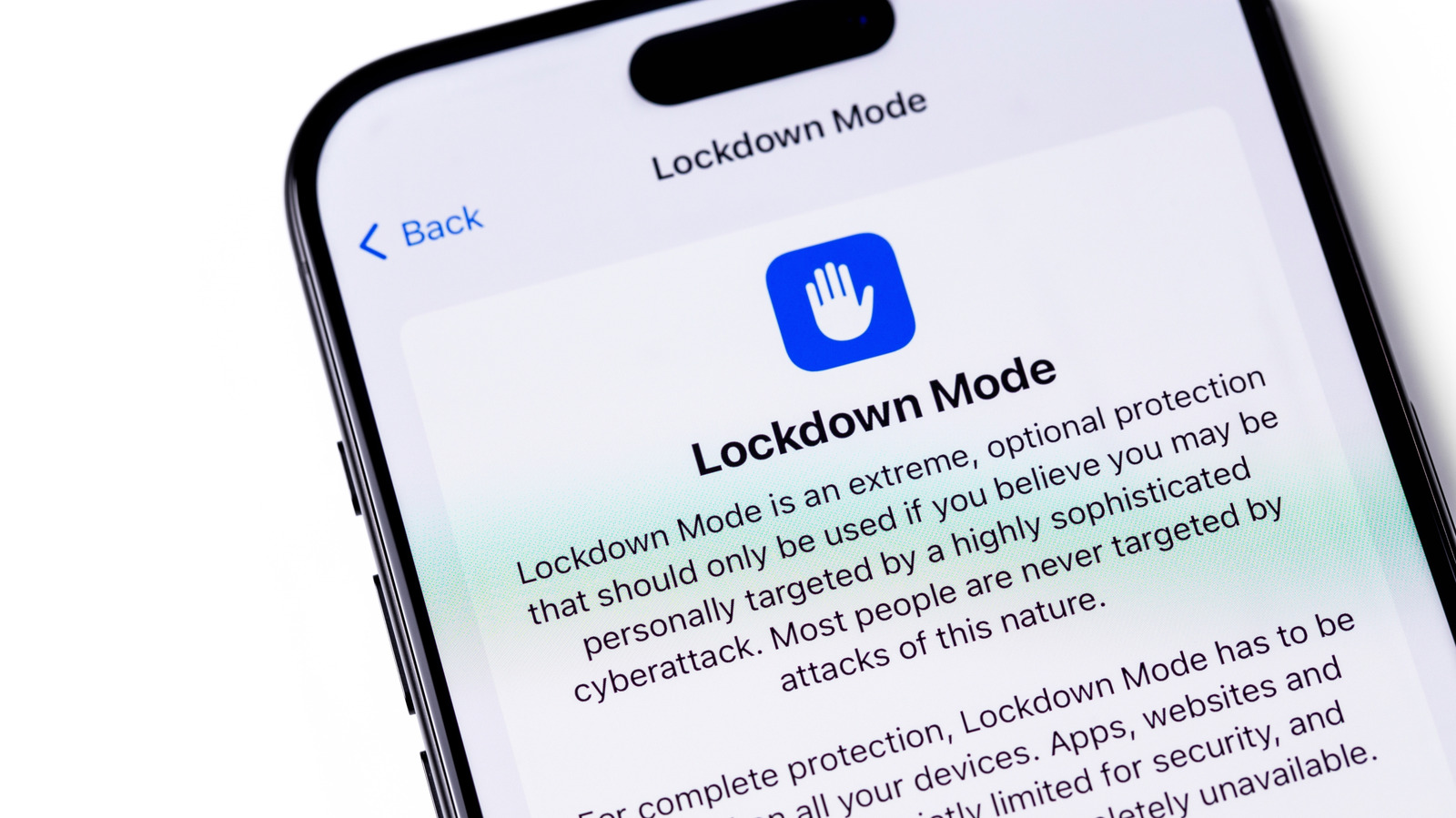
With the launch of iOS 16, Apple added Lockdown Mode, branding it as a high‑security setting for individuals who could be the focus of advanced cyber‑espionage. The option hardens numerous system features, seeking to seal the vulnerabilities that recent high‑profile spyware incidents have abused.
Activating the mode prevents a range of routine actions: the majority of message attachments are blocked, FaceTime calls from unfamiliar numbers are muted, and email links capable of zero‑click attacks are disregarded. Safari operates with restricted JavaScript, and invitations to group calls are also filtered.
Apple targets the feature at individuals with heightened exposure—reporters handling delicate subjects, human‑rights defenders, corporate executives, and anyone potentially targeted by state‑backed or criminal groups. The company references documented instances in which iMessage or Bluetooth flaws were exploited to obtain long‑term device control.
For the average user, however, the limitations may prove burdensome. The very protections that block harmful code also hinder everyday activities like getting photos from friends, participating in video calls, or visiting some websites. Apple emphasizes that the mode isn’t meant to be the default for most people.
Analysts caution that an “all‑or‑nothing” strategy could foster a misplaced feeling of safety. Turning on Lockdown Mode does not substitute core security practices such as installing updates quickly, employing robust passwords, or remaining alert to phishing and social‑engineering attacks that sidestep technical safeguards.
Apple makes it possible to switch the mode on or off whenever desired, highlighting its function as an optional layer instead of a fixed setting. Launching this powerful, native privacy feature mirrors a broader movement by leading platforms toward offering sophisticated protections. Whether upcoming releases will turn such stringent measures into a standard option or retain them as a specialized tool for high‑risk users is still uncertain.



Comments (0)
Be the first to comment.
Join the discussion