Apple Debuts First Touchscreen MacBook Pro, Merging Classic Look with Major Enhancements
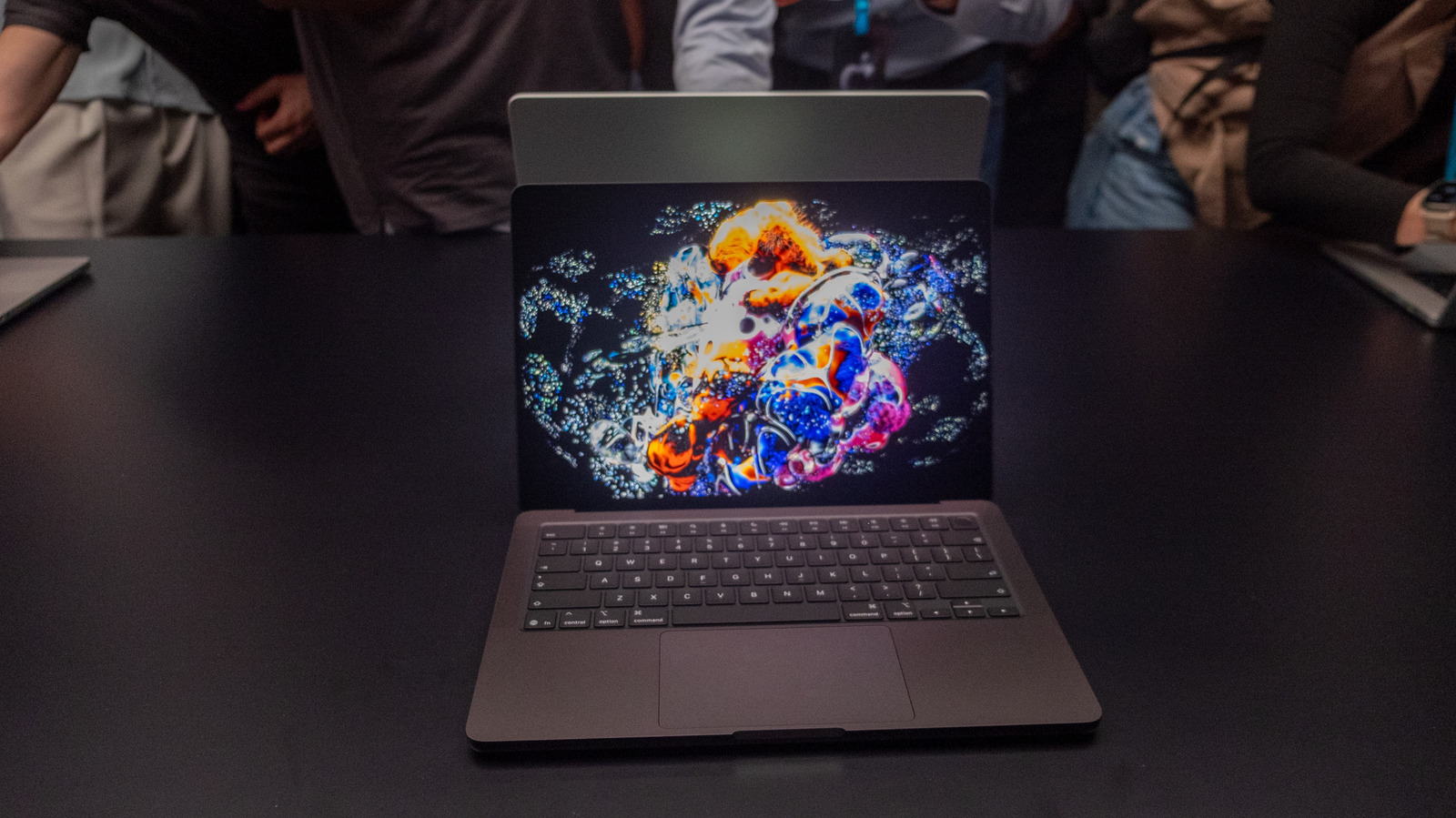
Apple unveiled its first MacBook Pro featuring a touchscreen, marking a shift from its long‑standing refusal to incorporate touch controls in its laptop lineup. The reveal, delivered during the latest Apple product event, thrust the new device into the spotlight as the inaugural MacBook that fuses a conventional laptop chassis with direct screen interaction.
Although the notebook retains the iconic MacBook Pro outline, it is noticeably thinner and lighter than earlier versions. Designers trimmed several millimetres from the frame and cut weight, improving portability while still delivering the sturdy construction professionals expect from Apple’s high‑end laptops.
In addition to its slimmer profile, the refreshed MacBook Pro offers a substantially upgraded display. Apple equipped it with a higher‑resolution panel that covers a wide‑gamut color space and supports touch gestures, delivering crisper text, more vivid hues, and a quicker response for creative and work‑related tasks. The touch layer complements rather than replaces the traditional keyboard and trackpad, serving as an optional input method for compatible apps.
Adding a touchscreen to a MacBook Pro matters because Apple has traditionally kept its laptop and desktop offerings separate from the touch‑first philosophy of the iPad and iPhone. By blending touch capability with a professional‑grade notebook, the company could broaden the software ecosystem, prompting developers to modify existing macOS applications or build new ones that exploit the hybrid input scheme.
Analysts observe that this step puts Apple in more direct competition with Windows‑based ultrabooks that already ship with touchscreens, potentially appealing to users who previously avoided Macs due to the absence of touch. Nonetheless, the change may spark concerns about battery endurance, ergonomics and the adjustment period for users accustomed to conventional laptop navigation.
Going forward, consumer reaction will likely shape how swiftly Apple rolls out touchscreen technology across its laptop range. Initial impressions praise the hardware upgrades, but the true advantage will hinge on software support and how effortlessly developers weave touch interactions into macOS workflows. Future updates might bring finer gestures, better stylus integration, or a wider selection of touch‑enabled professional tools.


Comments (0)
Be the first to comment.
Join the discussion