Ancient Roman Villa Mosaic Shows Pets Cat Emerald and Dog Ocean
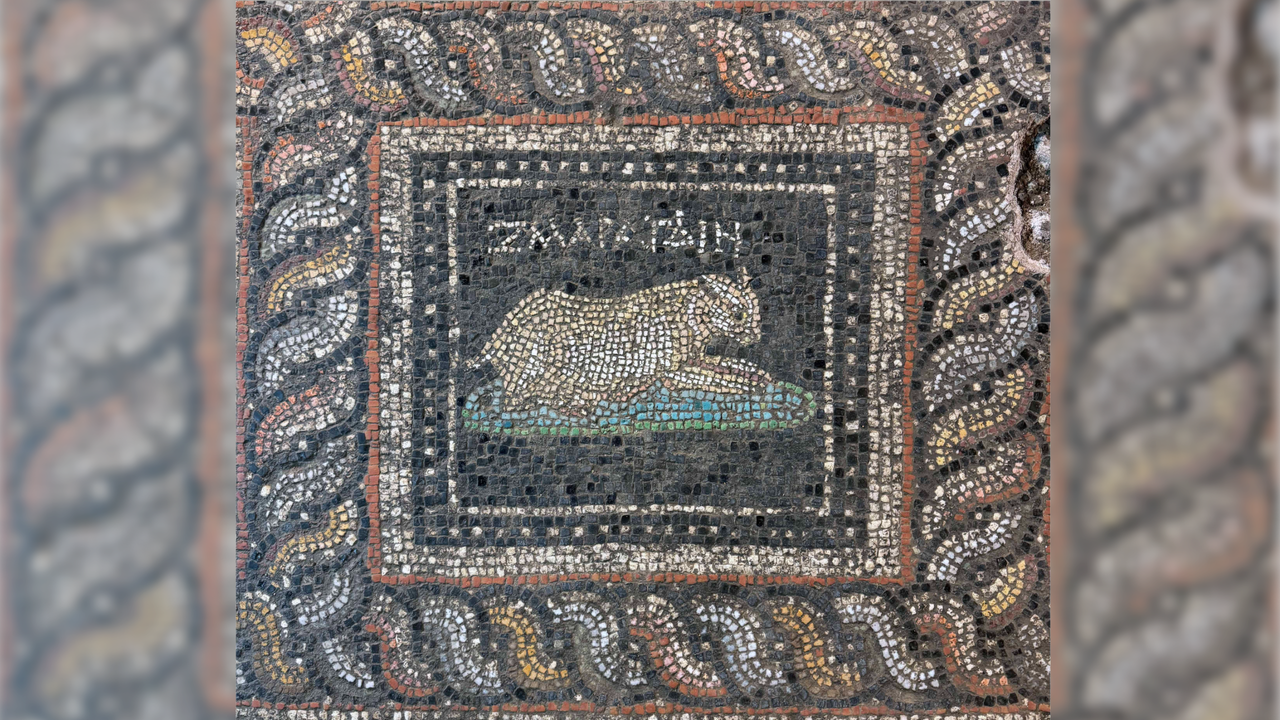
In southwestern Turkey, archaeologists have unearthed a floor mosaic in extraordinary condition, dating to nearly two millennia ago and featuring a cat called Emerald alongside a dog named Ocean. The elaborate, polychrome piece was ordered by a prosperous Roman patron and served as a focal decorative feature in a villa previously unknown to scholars.
The find emerged from a methodical dig at a settlement long thought to contain high‑status homes. Upon uncovering the mosaic, scholars observed the striking employment of blue, green and red tesserae that produced realistic likenesses of the two creatures. Greek lettering beside the images records their names, indicating the animals enjoyed a privileged status in the home—an unusual yet documented custom among wealthy Romans who occasionally honored cherished pets in their artwork.
Common Roman mosaics portray mythic narratives, geometric designs, or scenes of everyday activity. Featuring household pets as the main motif signals a tailored decorative style, revealing both the proprietor’s wealth and the family's affection for their companions. Researchers argue that these personalized images offer a rare window into contemporary social habits, particularly the place animals occupied within Roman homes.
The partially exposed villa seems to belong to a chain of rural residences scattered across the coastal zone of ancient Lycia. Situated close to commercial routes, the estate would have afforded its owner the means to acquire imported supplies, accounting for the superior glass and stone tesserae of the mosaic. Preservation crews are now safeguarding the piece, using climate‑regulated shelters to halt decay as they carry out extensive photography and 3D scanning.
Upcoming investigations aim to refine the mosaic’s chronology via stratigraphic study and radiocarbon dating of adjacent organic residues. The discovery also hints at the possibility of more bespoke artworks hidden within the villa, which could shed further light on the intimate world of Anatolian Roman aristocracy. As scholars gain access to the site, it is set to deepen our grasp of the interplay between affluence, artistic expression, and love for companion animals in antiquity.


Comments (0)
Be the first to comment.
Join the discussion