Ancient Maya Tomb Reveals 226 Teeth as Ongoing Ancestral Offerings
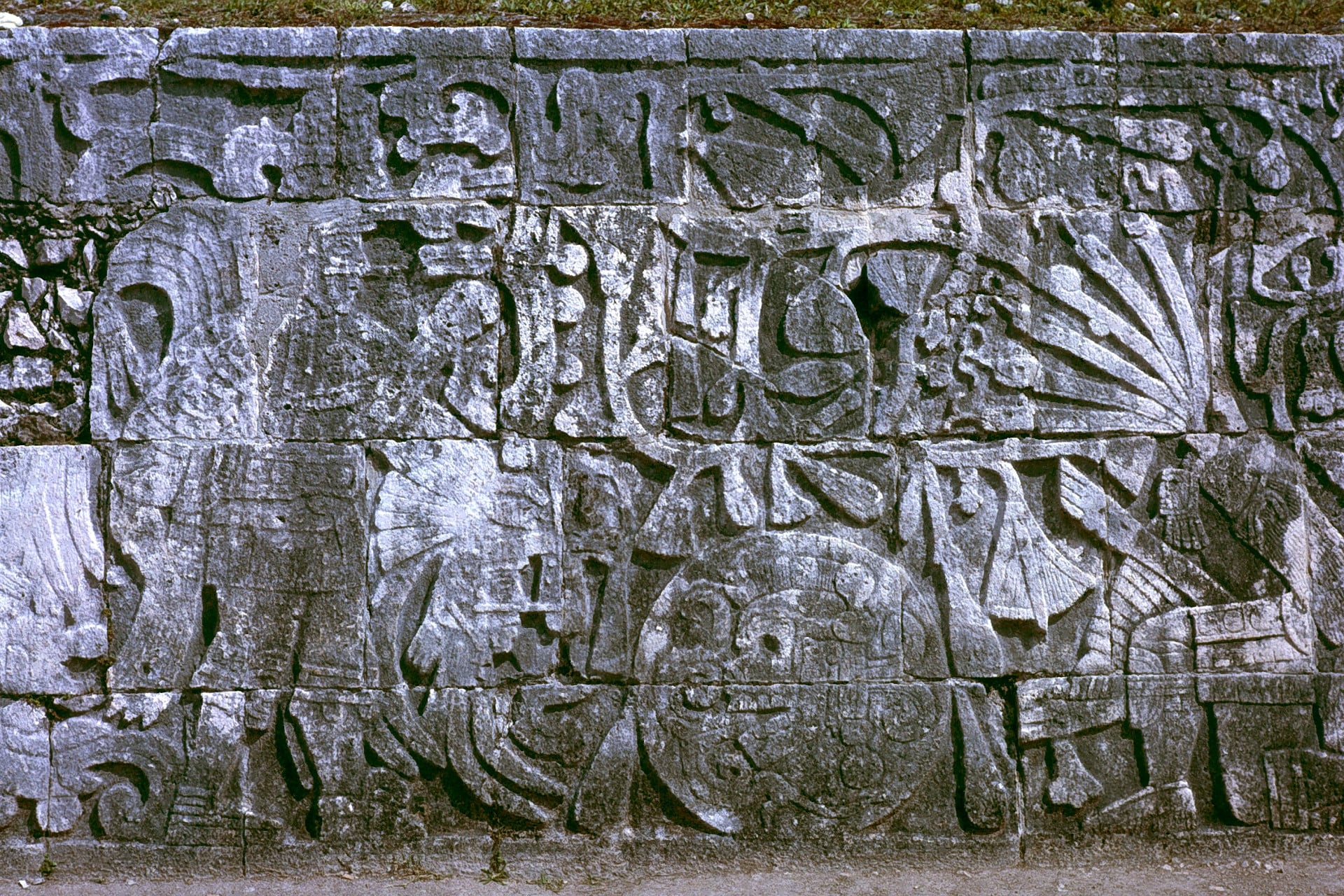
At a Yucatán Peninsula burial ground, archaeologists have identified an unusual post‑mortem practice: over two hundred human teeth were positioned beside the remains of a Maya woman who lived centuries past. As Gizmodo reports, this finding points to later generations repeatedly offering teeth after her burial, implying a long‑standing ritual intended to win her favor.
The bones, assigned to the Classic Maya era, were recovered from a limestone tomb that also housed customary grave items like pottery and jade ornaments. Yet the massive count of teeth—226 altogether caught scholars' attention, leading them to reassess Maya ancestral veneration. Although floral garlands were typical in burial ceremonies, the teeth seem to carry a unique symbolic role.
Maya cosmology linked teeth with life force, speech, and the ability to transmit prayers to the spiritual world. Presenting teeth, therefore, could have allowed surviving kin to direct those qualities toward the departed, preserving her sway over the household’s welfare. This custom fits within wider Mesoamerican practices where body parts—particularly teeth—were traded as signs of respect and reciprocity between the living and the deceased.
The multigenerational continuation of these offerings underscores the resilience of ancestor worship locally. Scholars observe that the choice of teeth over more typical items such as flowers may signal an evolving ritual focus across the ages. As societies adjusted to shifting social and environmental landscapes, placing teeth might have emerged as a lasting and transportable method to summon ancestral safeguard.
Planned future digs at the location will seek to discover if comparable tooth deposits appear in additional Maya tombs, potentially indicating a broader trend. The results also prompt inquiry into how contemporary Maya descendants view and interact with these age‑old rites. Shedding light on a centuries‑spanning conversation between the deceased and the living, the find enriches our comprehension of Maya burial customs and the intricate manners in which cultures revere their ancestors.


Comments (0)
Be the first to comment.
Join the discussion