Ancient Genome Restructuring Tied to Cephalopod Intelligence
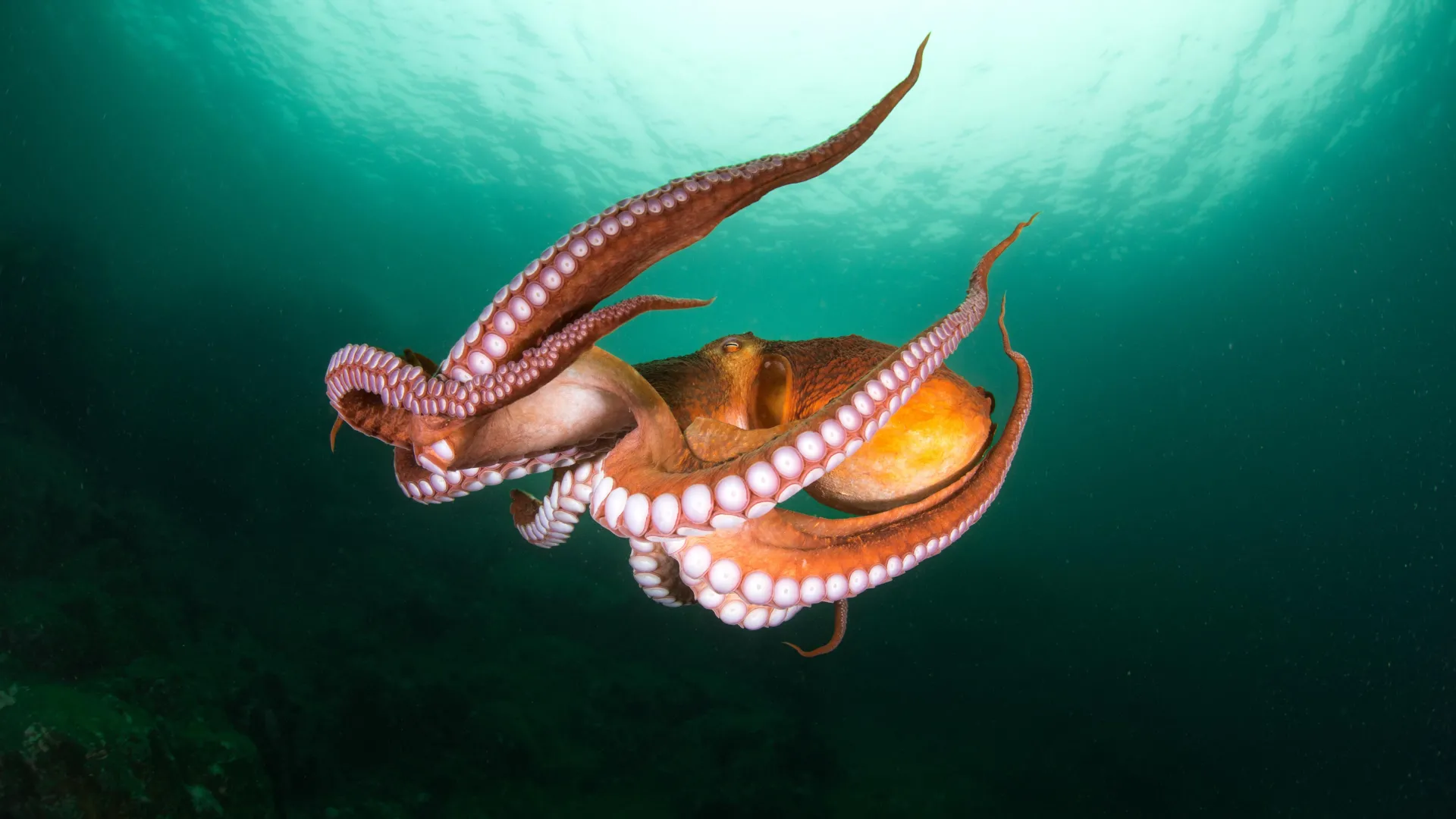
Recent findings indicate that the remarkable problem‑solving capacities of octopuses, squid and cuttlefish could originate from an ancient rearrangement of their DNA that changed gene interactions inside the nucleus.
By probing the three‑dimensional layout of cephalopod genomes, the researchers found that long‑range contacts between far‑apart DNA regions were restructured, forging new regulatory connections. Such architectural shifts seem to have unlocked routes toward neural complexity, offering a molecular basis for the rise of their celebrated intellect.
Scientists have been intrigued by cephalopods for decades, noting feats like tool use, maze solving and adaptive camouflage. Earlier studies pointed to the growth of specific gene families, but these new results introduce another dimension, demonstrating that the genome’s spatial configuration can spur functional novelty. Comparing chromatin folding in cephalopods to that in more primitive mollusks revealed a unique gene‑pairing pattern that aligns with the development of bigger brains and more elaborate nervous systems.
The authors propose that this genome‑wide rewiring took place hundreds of millions of years in the past, before modern octopus and squid lineages diversified. That primordial shift may have paved the way for later adaptations, enabling cephalopods to occupy fresh ecological niches and evolve sophisticated behaviors comparable to vertebrates.
This finding highlights the significance of three‑dimensional genome architecture in evolutionary biology, a discipline that has largely emphasized DNA sequence alterations. It also creates new pathways for probing how chromatin dynamics affect neural development across diverse animal groups.
Upcoming research will seek to identify the precise genetic circuits modified by these structural changes and to examine whether comparable mechanisms exist in other clever invertebrates. Deciphering the genomic foundations of cephalopod cognition may eventually guide bio‑inspired technologies and illuminate universal rules of brain evolution.
Although the results are still at an early stage, they offer a persuasive explanation for the distinctiveness of cephalopods within mollusks. By connecting ancient genome‑architecture modifications to present‑day behavioral complexity, the study contributes a novel angle to the continuing effort to unravel the biological origins of intelligence.



Comments (0)
Be the first to comment.
Join the discussion