Ancient Chinese Remains Indicate Nose Removal Served as Capital Punishment
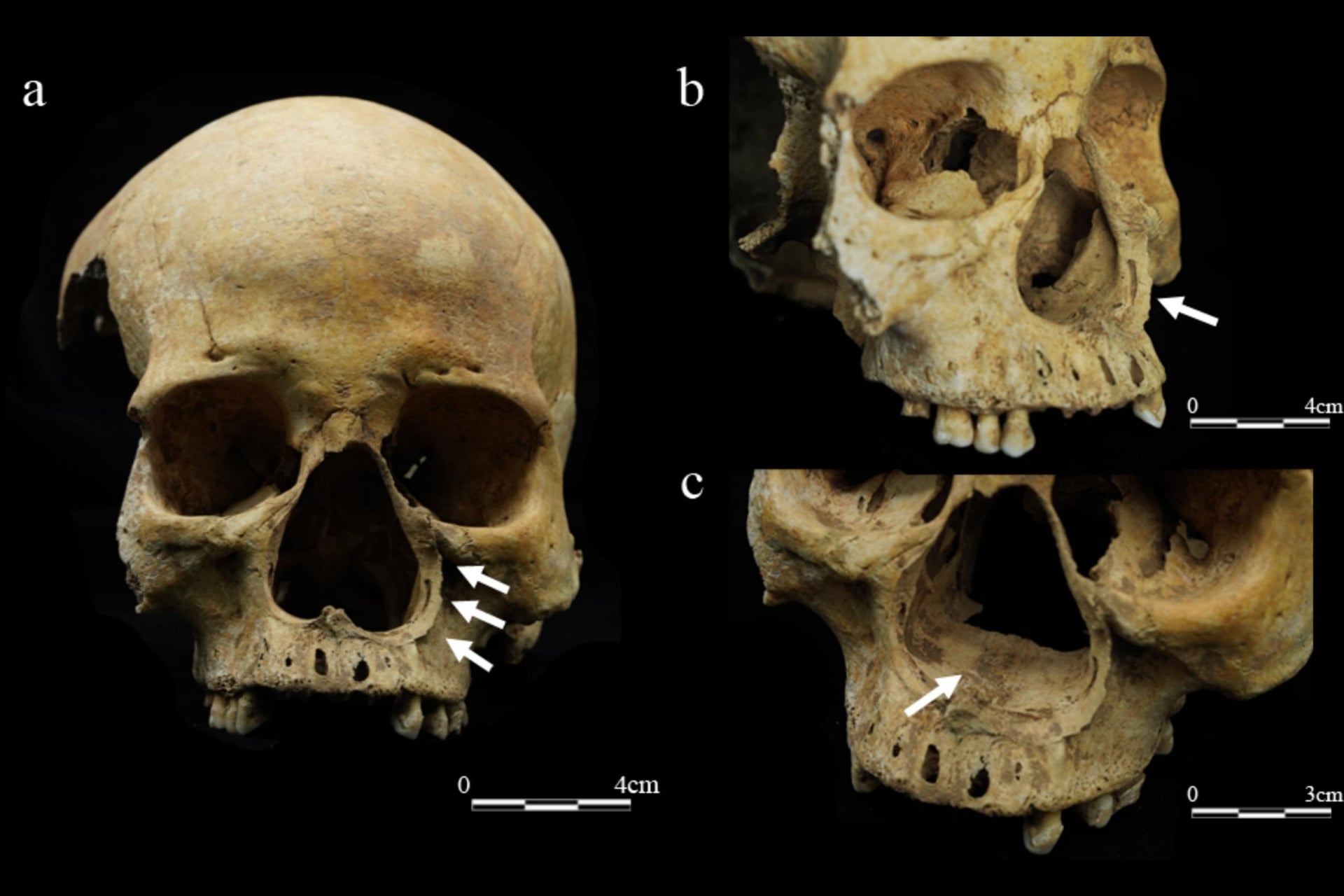
A team of archaeologists has unearthed a human skeleton that could validate historic reports of nasal amputation as a legal penalty in Imperial China, a custom previously documented chiefly in written records.
The bones, found in a burial ground in eastern China, belong to a female whose facial skeleton bears unmistakable signs of a surgically removed nose. Radiocarbon analysis dates the remains to the Tang dynasty (618‑907 CE), an era whose statutes imposed harsh bodily punishments for offenses from treason to moral transgressions.
Scientists from a Shanghai university inspected the cranium with CT imaging and microscopic techniques. Their study revealed that the nasal bones had been cleanly cut, while adjacent tissue showed healing, implying the woman lived beyond the procedure and received medical attention afterward. The investigators observed that the bone margins are smooth, not ragged, pointing to a competent practitioner rather than a barbaric execution.
Documents like the Tang Code cite "cutting off the nose" as a sanction, yet academics have debated whether the punishment was ever implemented or merely a rhetorical warning. This newly discovered skeleton offers tangible confirmation that the sanction was enacted, not just symbolic. Additionally, the healed bone suggests the individual was not slain on the spot, matching accounts that certain convicts were permitted to survive with their disfigurement as an enduring stigma.
Although the remains exhibit indications of medical care—perhaps sutures or herbal poultices—the burial appears intentionally modest. The tomb contained no grave goods and was positioned apart from more elaborate burials, prompting researchers to infer that the woman was laid to rest under a veil of social stigma, echoing the concept of a "buried in shame" interment.
Scholars warn that one specimen cannot wholly reconstruct the legal and cultural backdrop of nasal mutilation, yet the find paves the way for interdisciplinary inquiry. Merging archaeological evidence with legal history may illuminate how such punishments were carried out, who administered them, and how society dealt with survivors of these penalties.
The discovery also prompts wider questions regarding the handling of bodily injuries in ancient China, particularly the involvement of early physicians in treating punitive wounds. Upcoming digs at adjacent locations could reveal further remains that either support or contest this reading.
While the discussion proceeds, the skeleton serves as a concrete reminder that the punitive measures recorded in ancient laws inflicted lasting scars on actual people, linking documentary evidence with the lived reality of Imperial China’s populace.



Comments (0)
Be the first to comment.
Join the discussion