Anak Krakatau’s September 2026 Blast Generates Broad Environmental and Economic Impacts
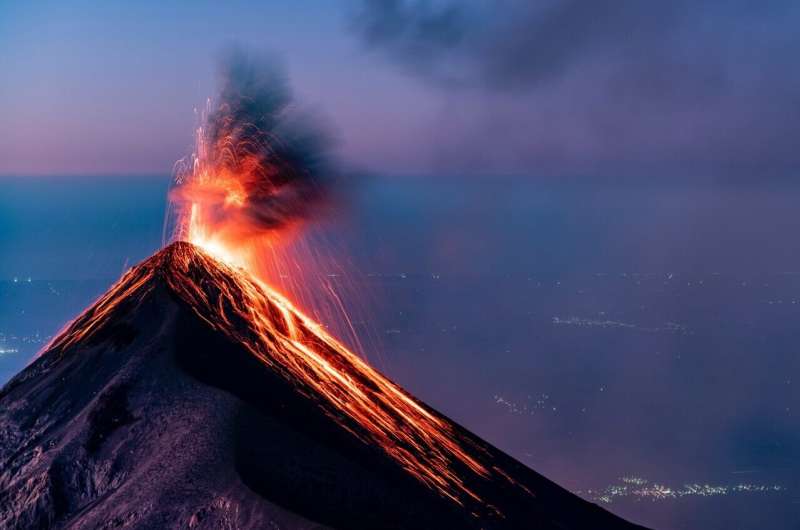
When Indonesia’s Anak Krakatau erupted in early September 2026, it hurled ash and seismic activity across the neighboring area, triggering a chain of effects that have altered regional ecosystems, disturbed trade, and led to a review of disaster‑readiness throughout the islands.
Although the first explosion generated a lofty ash plume that floated over adjacent towns, attention soon turned to its wider atmospheric and oceanic repercussions. Ash settled on farms and roofs, sparking health warnings and short‑term school shutdowns, and the cloud merged with regional wind patterns, causing flight postponements at a number of airports across Java and Sumatra.
In addition to the obvious debris, researchers tracking the eruption observed a rapid entry of volcanic particles into the Sunda Strait. The settling of fine ash and tephra changed the water’s chemical makeup, prompting worries for the fisheries that feed coastal populations. Initial data indicated a temporary rise in nutrients, potentially influencing plankton growth and, consequently, the shrimp and fish food web.
Officials also cautioned about an increased tsunami threat after the eruption, recalling the fatal 2018 wave caused by a flank collapse of the same cone. While this eruption did not produce a notable sea‑level rise, the incident underscored the importance of strong early‑alert mechanisms and strengthened evacuation pathways for the heavily inhabited coastal areas bordering the strait.
In the weeks following the blast, regional authorities started reviewing extended recovery strategies. Measures being rolled out involve handing out masks and safe‑water kits, aiding farmers in removing ash from their fields, and working with marine agencies to track shifts in sea conditions. The episode highlights how one volcanic occurrence can echo across diverse sectors, driving a unified reaction that merges scientific observation with community resilience efforts.


Comments (0)
Be the first to comment.
Join the discussion