All‑Female Homo naledi Burial Suggests Early Ritual Behavior Over 240,000 Years Ago
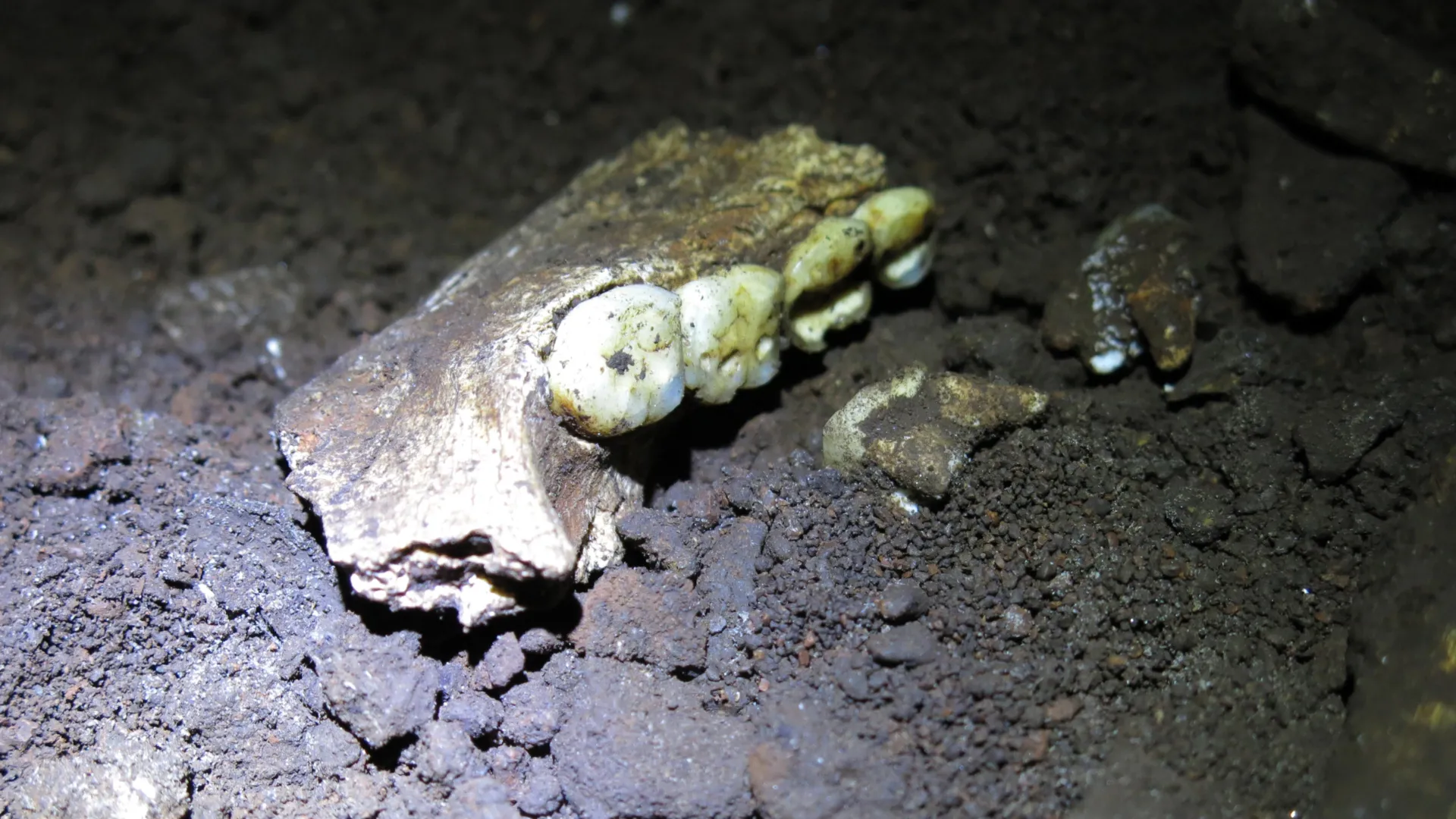
Researchers studying a remote South African cavern have identified a burial collection made up solely of female Homo naledi individuals, extending the record of sophisticated social conduct in early humans by over 240,000 years.
Recovered from a secluded karst network in Gauteng province, the group contains dental fragments from no fewer than twenty specimens. The team examined enamel‑bound proteins using state‑of‑the‑art palaeoproteomics to infer sex, bypassing DNA which seldom endures in material of this age.
Through sequencing of ancient enamel proteins, the scientists looked for amelogenin Y, a marker produced only in males. The tests never revealed male‑specific signals in any of the samples, prompting the authors to assert that all individuals were biologically female. This finding represents the inaugural record of a single‑sex interment linked to a non‑modern hominin.
First introduced to science in 2015 following the unearthing of a rich fossil site in the same area, Homo naledi displays a blend of archaic and advanced features—a modest brain size paired with hands capable of tool manipulation. The present discovery injects a cultural layer into the species, implying that its members might have performed ritualized handling of the deceased, a practice previously observed mainly in later Homo sapiens and Neanderthals.
The exclusively female make‑up of the interment prompts speculation about the group's social structure. Among contemporary hunter‑gatherers, gender‑specific funerary customs often signal roles, rank, or kinship ties. Although assigning precise cultural interpretations to Homo naledi would be premature, the pattern suggests a degree of collective concern and possibly a symbolic regard for female individuals.
These outcomes also contest the entrenched view that elaborate burial rites arose solely in hominins with larger brains. Should Homo naledi, despite its modest cranial capacity, have organized a gender‑specific interment, the mental capacities required for such practices might have been more broadly shared among early human ancestors than formerly believed.
Upcoming investigations will strive to recover any remaining DNA, sharpen the chronology of the burial stratum, and juxtapose the protein profiles with those from additional Homo naledi locales. As scientists keep reconstructing the social tapestry of our ancient relatives, the all‑female burial serves as a vivid reminder that deep time still conceals surprising narratives about our ancestors and their treatment of the dead.


Comments (0)
Be the first to comment.
Join the discussion