AI Glitch Almost Led US to Attack Chinese Ship, Report Says
A report referenced by CNN and originally published by Engadget says an artificial‑intelligence system employed by the U.S. military came close to ordering an attack on a Chinese vessel that was mistakenly thought to be carrying nuclear‑weapon components.
The AI‑driven assessment marked the ship as a high‑priority target, leading senior officers to weigh a pre‑emptive strike. Later, military staff identified flaws in the intelligence and called off the operation before any weapons were fired.
Sources familiar with the case indicated the mistake arose because the algorithm depended on incomplete data sets and pattern‑matching processes that misread the cargo manifest. The incident highlights growing worries about automated decision‑making tools in high‑risk combat settings, where a single error could have strategic ramifications.
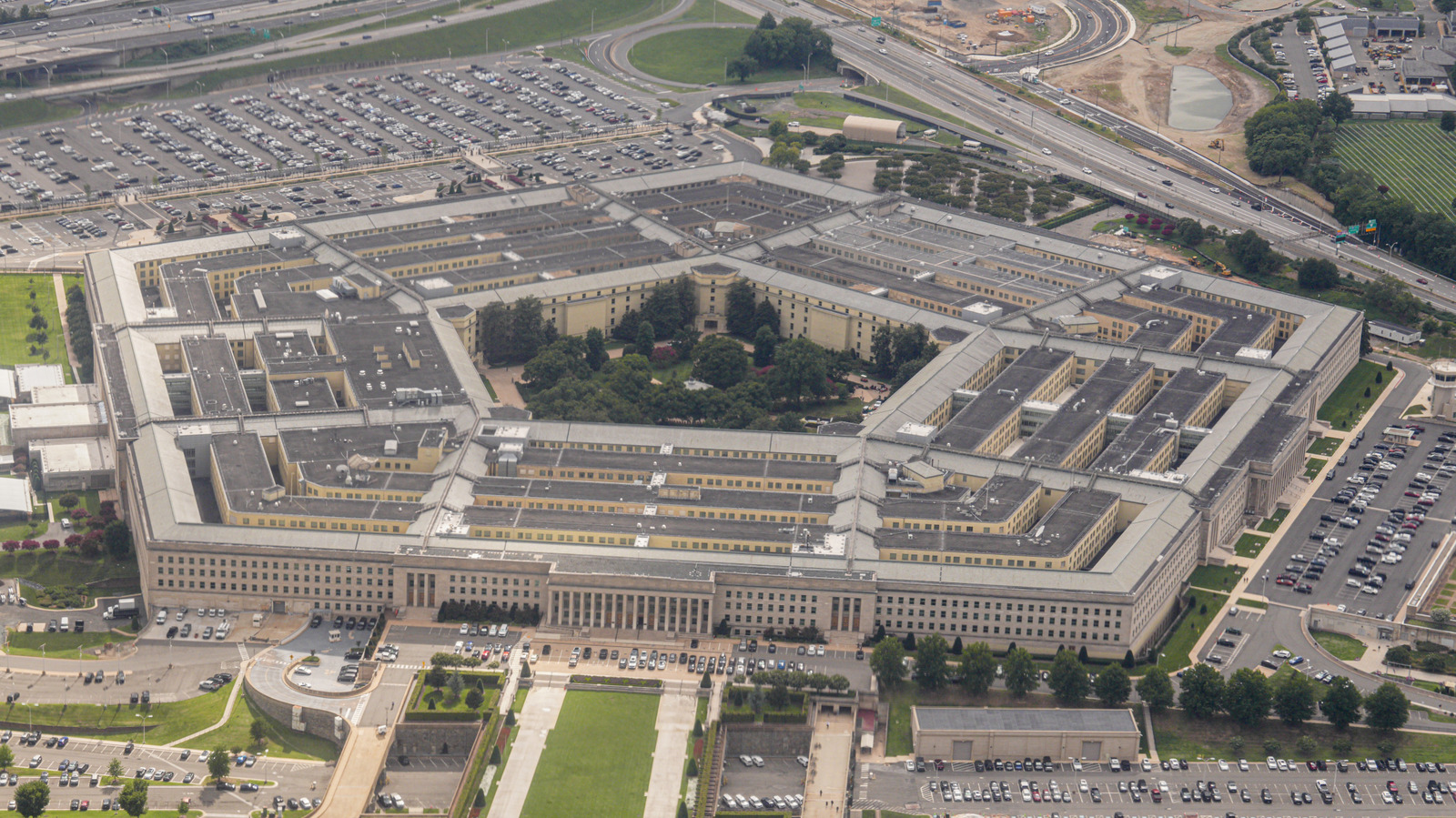
U.S. defense officials have long promoted AI integration to speed up threat evaluation, yet this near‑miss has revived demands for tighter human supervision. The Pentagon’s Joint Artificial Intelligence Center, which manages many service AI initiatives, is said to have launched a review of the procedures that let the system’s recommendation reach operational planners.
The episode occurs amid rising tensions between Washington and Beijing over issues ranging from trade disputes to naval maneuvers in the South China Sea. Although the two nations have avoided direct military clashes for decades, analysts caution that miscalculations—especially those magnified by rapid‑response technologies—could undermine that delicate stability.
Both the Department of Defense and the State Department declined to comment on the case’s specifics, citing standard security restrictions. Nonetheless, senior defense officials stressed that ultimate authority for any use of force stays with human commanders, and that safeguards are being strengthened to avert similar false alarms in the future.



Comments (0)
Be the first to comment.
Join the discussion