Accelerating Groundwater Loss in Colorado River Basin Signals Threat to Western Drought Resilience
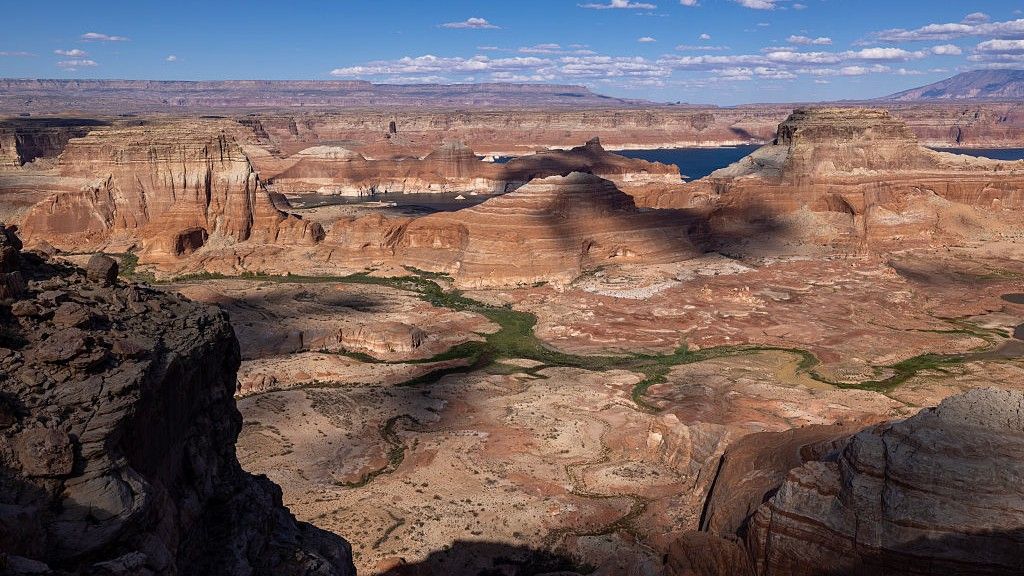
Recent analysis of groundwater stocks throughout the Colorado River Basin shows an unexpectedly rapid decline in subterranean water, implying that the Upper Basin states could be significantly more vulnerable to extended drought than previous research suggested.
Using satellite‑derived gravimetric observations together with decades of U.S. Geological Survey well records, the researchers charted shifts in aquifer volumes across the four Upper Basin states—Colorado, Utah, Wyoming and New Mexico. The results reveal a steady decline over the last twenty years, with certain sub‑basins shedding several hundred feet of water‑equivalent annually.
Traditionally, water authorities have relied on the Upper Basin’s deep aquifers as a safety net for surface‑water deficits, presuming these underground reserves would stay largely steady despite changing climate trends. The latest data disputes this view, showing that the once‑robust geological layers are now draining faster than natural recharge can replace them.
These findings have immediate consequences for regional agriculture, which heavily depends on groundwater for irrigation, and for the millions of people who draw municipal water from the Colorado River. Shrinking underground stores may compel farms to reduce acreage or shift to crops that require less water, while urban areas could encounter stricter household‑use limits.
Researchers link the speeding depletion to hotter, drier summers, rising water consumption, and delayed policy responses to the shifting climate. The Colorado River already flows beneath historic averages, and the extra pressure on aquifers heightens the danger of a prolonged water emergency that could impact downstream states and the wider Southwest.
Policy analysts note that the study highlights the necessity for cohesive water‑management approaches that align surface‑water distribution with responsible groundwater withdrawal. Proposed measures include stricter pumping rules, broader adoption of water‑saving technologies, and increased funding for water‑recycling systems.
Although the report does not forecast precise deficits, it marks a pivotal moment for basin water planning. State leaders and federal bodies are slated to examine the results during forthcoming water‑budget talks, aiming to adjust to a drier outlook before underground supplies reach critical depletion.


Comments (0)
Be the first to comment.
Join the discussion